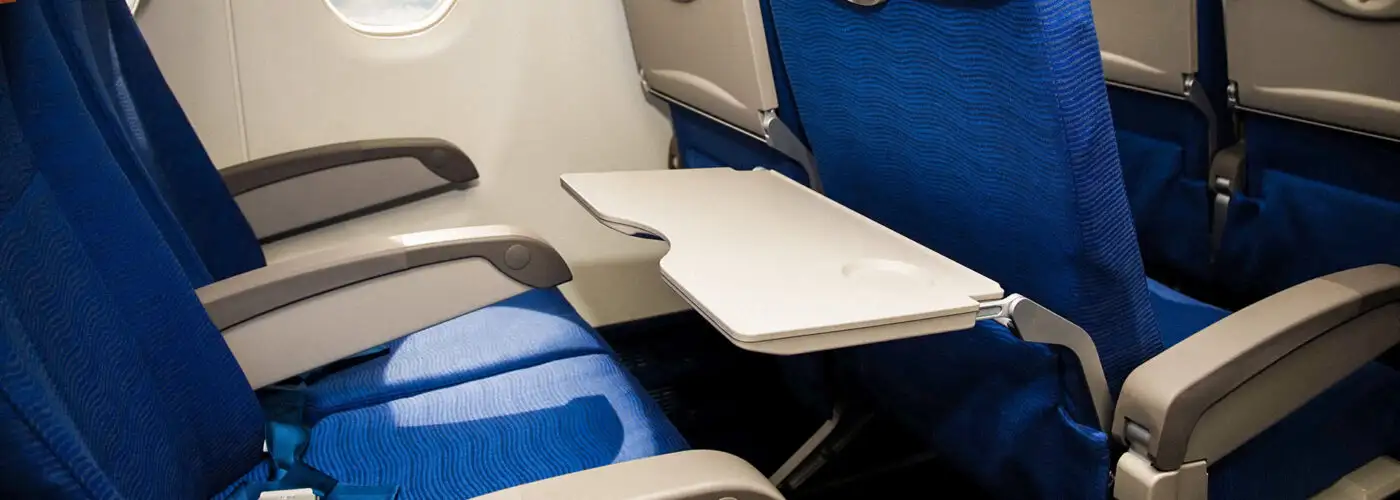
Imagine a petri dish squirming with bacteria, then add a recline function and limited legroom. Now you’re accurately imagining the typical airline seat. According to study after study, airplanes are filthy places—the average tray table, for instance, is exponentially germier than a home toilet seat. Other top spots for airplane germs include seatbelt buckles, seatback pockets, and the tops of seats (especially aisle seats, since countless people touch them for balance as they walk by in flight each day).
But take heart, germaphobes—and anyone else who doesn’t want to spend their whole vacation hacking up a lung. There are small steps you can take that will make your assigned petri dish a little less squirmy. Here’s how to disinfect your airplane seat and boost your chances of an illness-free vacation.
A Step-by-Step Guide to Disinfecting Your Airplane Seat
With minimal supplies and just a moderate tolerance for weird looks from your fellow passengers, you too can have the cleanest seat on the plane. Here’s how to get there.
Pack Disinfecting Wipes
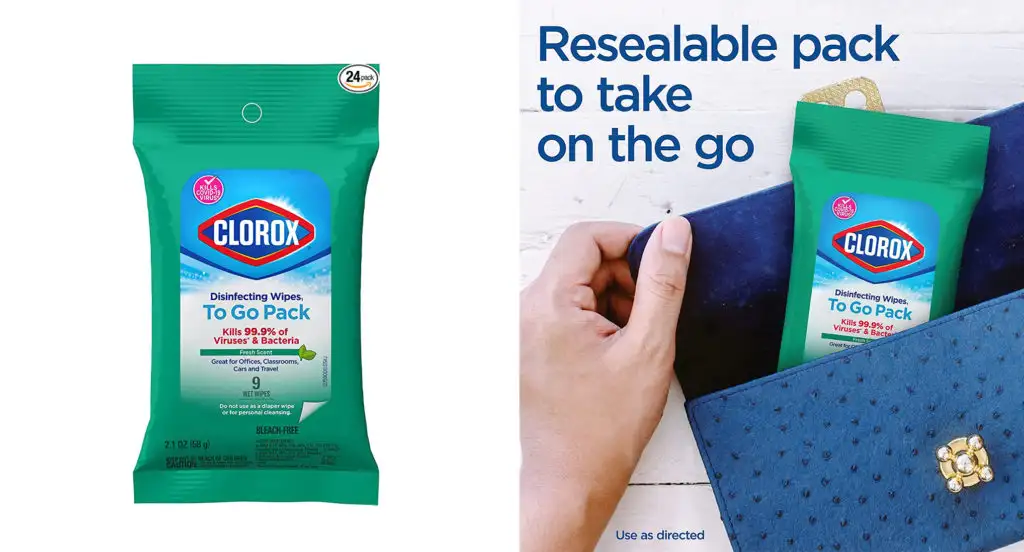
You’re going to need to plan here a bit and score some disinfecting wipes before you get on the plane. You can opt for a familiar brand name like Clorox Disinfecting Wipes, which come in handy multi-packs. Note that these have a pretty intense scent (the lemon is not what I’d call “good lemon,” and whatever the green package scent is smells a bit like a freshly cleaned public bathroom). You can also get disinfecting wipes with a milder scent, or, in a pinch, you could use wipes primarily meant to disinfect hands rather than surfaces, such as Wet Ones Antibacterial Hand Wipes.
Get Your Wipes Out as Soon as You Board
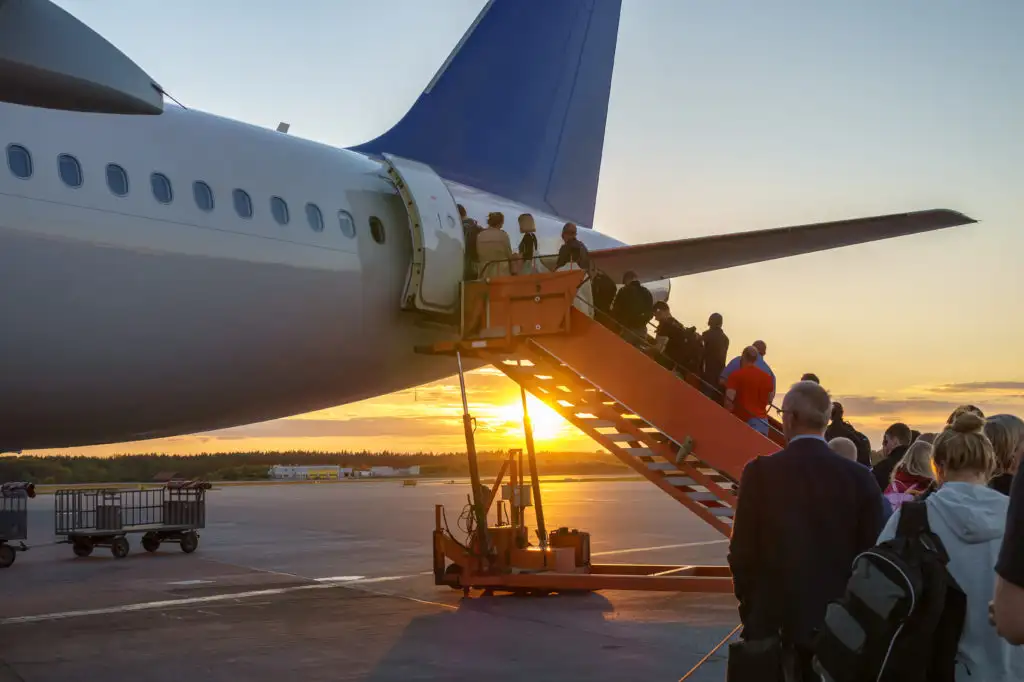
Packing wipes is only half the battle. Once you’ve boarded, you’ll need to overcome your aversion to creating a minor spectacle as you stow your gear, whip out your wipes, and get disinfecting. If it helps, you can pretend that those are stares of envy at your traveling prowess rather than garden-variety side-eye.
Use Your Wipes (Correctly)
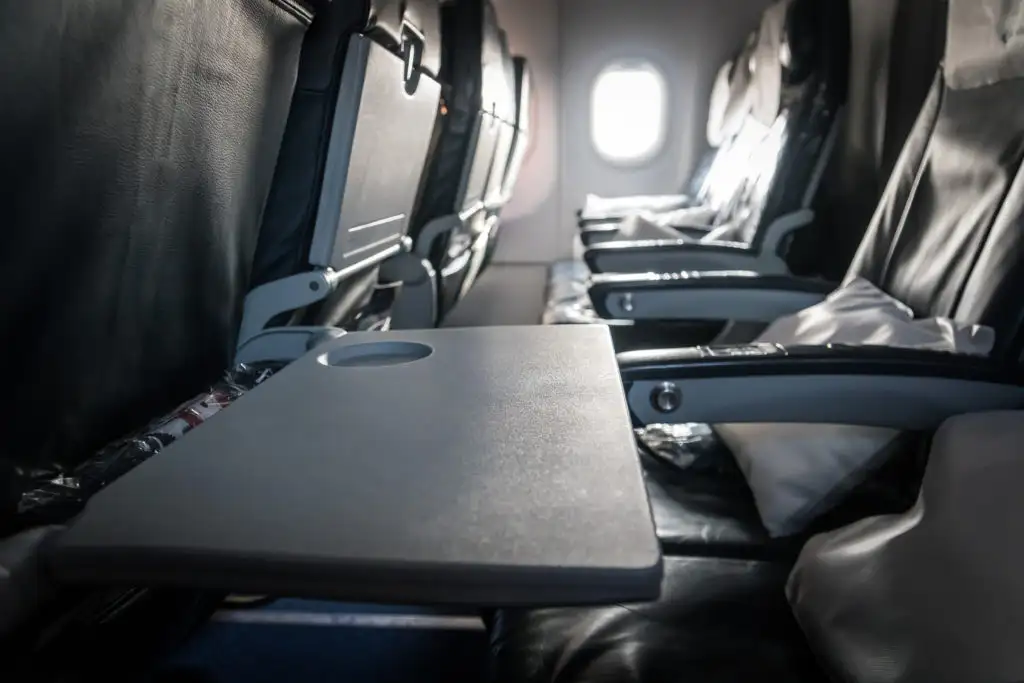
There’s a right way to use disinfecting wipes, and many wrong ways. To do it correctly: Wipe down all hard, nonporous surfaces thoroughly. Make sure you read and follow the package instructions about how long the surface needs to stay visibly wet. This ranges from about 30 seconds to four minutes. This is when the germ-killing magic happens, so you can’t rush it. Note that this means you’re going to be provisional for a bit longer before you settle and make yourself comfortable. Kidding: Everyone knows you’re not going to be comfortable on the plane. But at least you can maybe emerge illness-free.
But What About Upholstered Surfaces
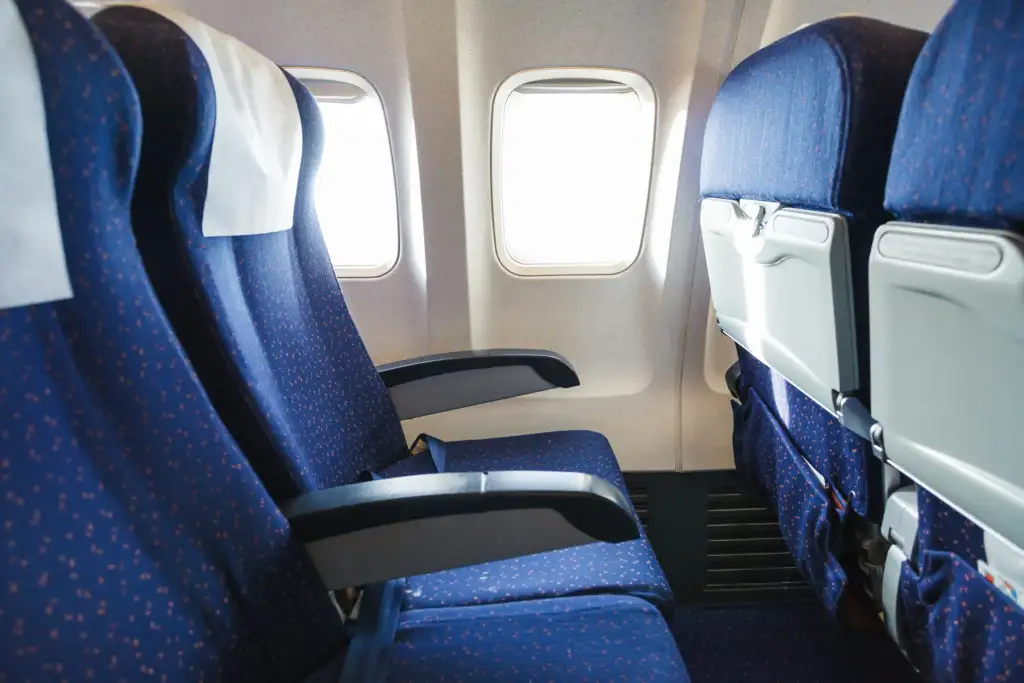
Don’t use disinfecting wipes on upholstered surfaces: It won’t work and it will make the fabric wet, which creates a whole separate problem. If you’re concerned about exposure to germs on fabric seats, you can pack a washable and reusable seat and tray table cover.
Bonus PSA About Seatback Pockets
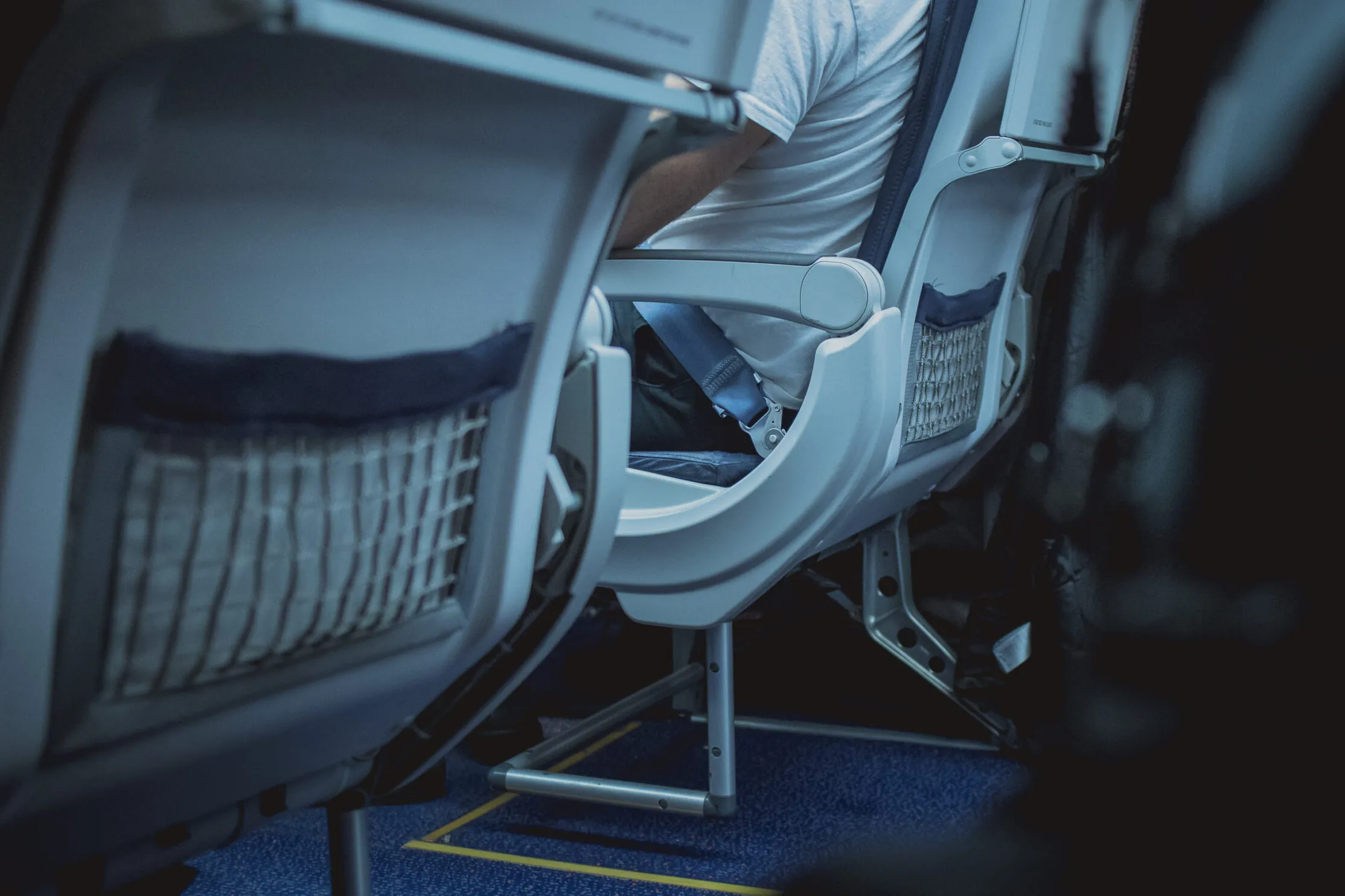
No pocket needs a protector like the airplane seatback pocket, home to one of the airplane’s highest concentrations of germs. If you’re one of those travelers who uses this pocket to stash your water bottle or extra snacks in the seatback pocket, just please don’t ever again. Until some genius (you perhaps?) invents a disposable liner for the seatback pocket, opt for a seatback-pocket replacement accessory like the Travelon World Travel Essentials Seat Pack Organizer, which hangs from the seatback tray latch.
Christine Sarkis wrote this story. Follow her on Twitter @ChristineSarkis and Instagram @postcartography for more advice about making every vacation the best vacation.
All of the products featured in this story were hand-selected by our travel editors. Some of the links featured in this story are affiliate links, and SmarterTravel may collect a commission (at no cost to you) if you shop through them. As an Amazon Associate, we earn from qualifying purchases.
Editor’s note: This story was originally published in 2018. It has been updated to reflect the most current information.
You Might Also Like:
• The One Thing You Need to Add into Your Phone Before Traveling Abroad• 9 Over-the-Counter Medications You Should Pack for Every Trip
• 10 Things You Should Never Say to a Flight Attendant
• Everything You Need to Know About Visiting a Travel Clinic
• Cancel for Any Reason Insurance, Explained
We hand-pick everything we recommend and select items through testing and reviews. Some products are sent to us free of charge with no incentive to offer a favorable review. We offer our unbiased opinions and do not accept compensation to review products. All items are in stock and prices are accurate at the time of publication. If you buy something through our links, we may earn a commission.
Top Fares From
Today's Top Travel Deals
Brought to you by ShermansTravel
12-Night Peru Escorted Tour, Incl. Sacred...
Wingbuddy
 vacation
$2198+
vacation
$2198+
Amsterdam to Copenhagen: Luxe, 18-Night Northern...
Regent Seven Seas Cruises
 cruise
$12399+
cruise
$12399+
Ohio: Daily Car Rentals from Cincinnati
85OFF.com
 Car Rental
$19+
Car Rental
$19+