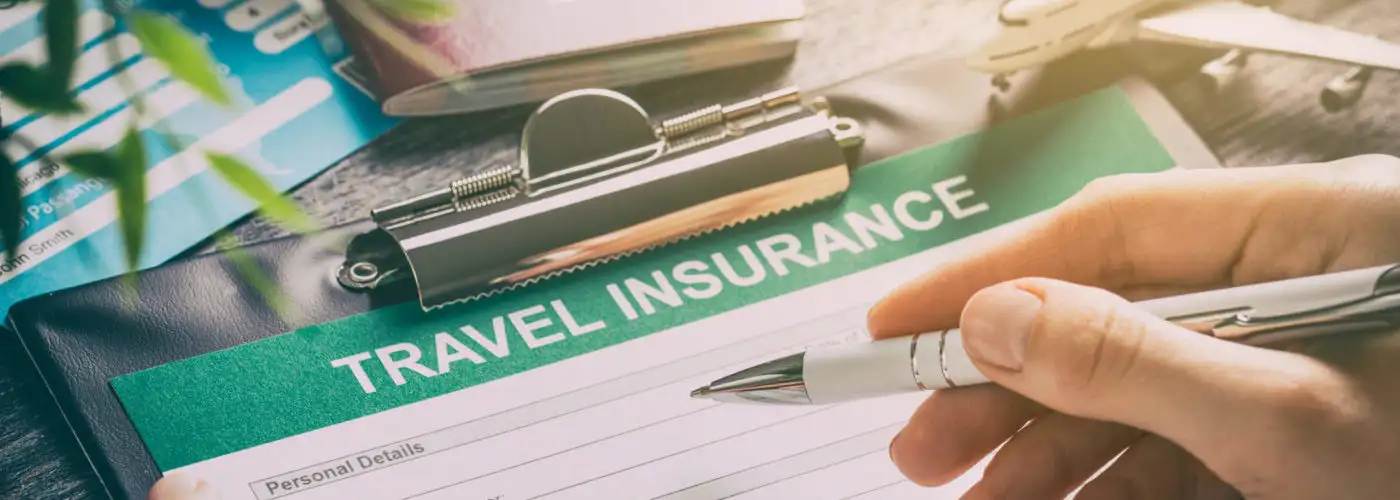
You’ve probably seen lots of stories lately suggesting that you buy “cancel for any reason” (CFAR) travel insurance. This suggestion is based on the fact that conventional trip-cancellation insurance is “named peril” insurance. Meaning: Reimbursement is contingent on a specific exigency named in the policy: If it isn’t named, you aren’t covered.
Focus on “any reason” insurance has assumed prominence recently because many conventional policies do not include a pandemic as a “covered reason.” Often, however, recommendations to buy “any reason” insurance don’t provide details about how it actually works. Here’s what you need to know:
What Is Cancel For Any Reason Insurance?
Typically, the “any reason” coverage is in addition to the traditional coverage that is limited to “covered reasons” for cancellation enumerated in the policy.
Does CFAR Cost More?
Some insurers bundle it into some policies; others treat it as an add-on option. Either way, you pay more than you would for conventional coverage. On a sample trip that a middle-age couple might buy, with a total of $4500 in prepayments, for example, the base cost of the least expensive bundled policy was $220; with 75 percent cancel for any reason, the price increases to $370.
What Does CFAR Cover?
The most common CFAR policies cover between 50 to 75 percent of your nonrefundable prepayments. Coverage kicks in when the typical 100 percent recovery for cancellation due to a “covered reason” does not apply. It does not replace the traditional coverages: You still recover 100 percent for covered reasons.
To qualify for “any reason,” you must:
- Insure the full value of all nonrefundable or at-risk payments
- Buy the insurance within a set period, typically 15 to 21 days, of your original trip payment
- Cancel no less than 48 hours before scheduled departure
Many policies include trip-interruption coverage along with cancellation. That means it covers unanticipated costs of rejoining a departure you missed or unexpectedly returning home early. Interruption coverage is subject to the same 48-hour time limit and 75 percent recovery.
Consumer advocate Ed Perkins has been writing about travel for more than three decades.
You Might Also Like:
• 5 Ways You’re Sabotaging Your Sleep While Traveling• The Ultimate Toiletry Kit Packing List
• Shark Safety Tips: Everything You Need to Know to Prevent or Survive a Shark Attack
• 5 Worst Shoes for Travel (And What to Wear Instead)
• The Best Over-the-Counter Sleeping Pills for Long-Haul Flights
We hand-pick everything we recommend and select items through testing and reviews. Some products are sent to us free of charge with no incentive to offer a favorable review. We offer our unbiased opinions and do not accept compensation to review products. All items are in stock and prices are accurate at the time of publication. If you buy something through our links, we may earn a commission.
Top Fares From




Today's Top Travel Deals
Brought to you by ShermansTravel
France: 8-Night Paris, Avignon & Nice...
Infinity Worldwide Vacations
 vacation
$2880+
vacation
$2880+
Poconos: 3 Nts in Garden of...
ResortsAndLodges.com
 hotel
$305+
hotel
$305+
7-Nt Canada & New England Cruise,...
Princess Cruises
 cruise
$839+
cruise
$839+