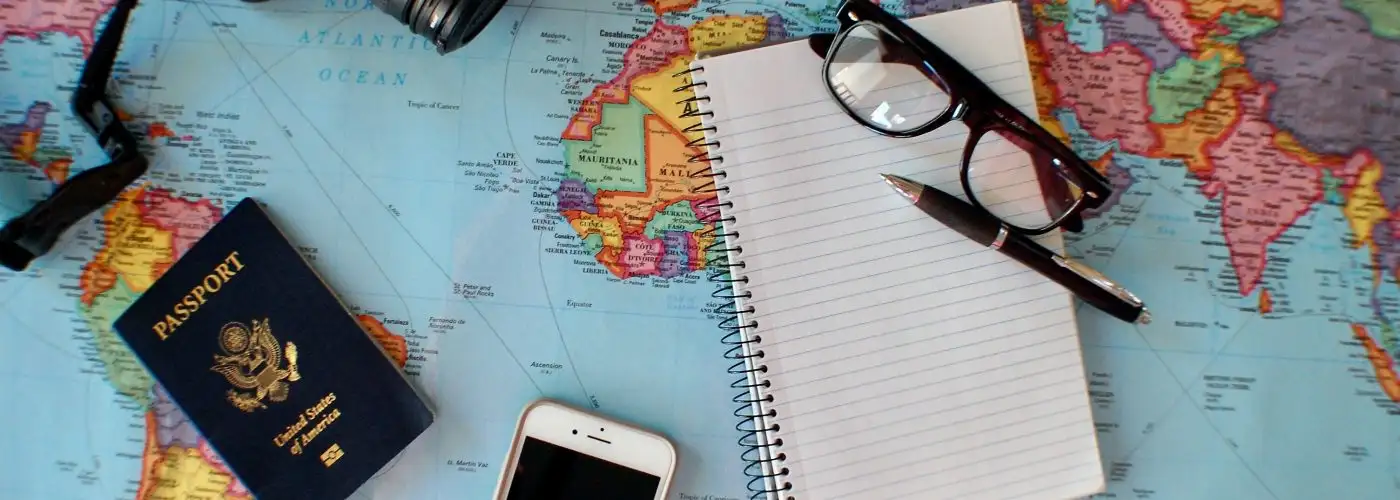
Have you ever wanted to live, work, and travel abroad for just a year without the hassle? I lived this dream by spending a year in Australia thanks to a little-known program that grants young people access to a taste of life abroad. Intrigued? Here are five countries with working holiday visas for U.S. citizens.
Everything You Wanted to Know About Working Holiday Visas for U.S. Citizens
Image Gallery
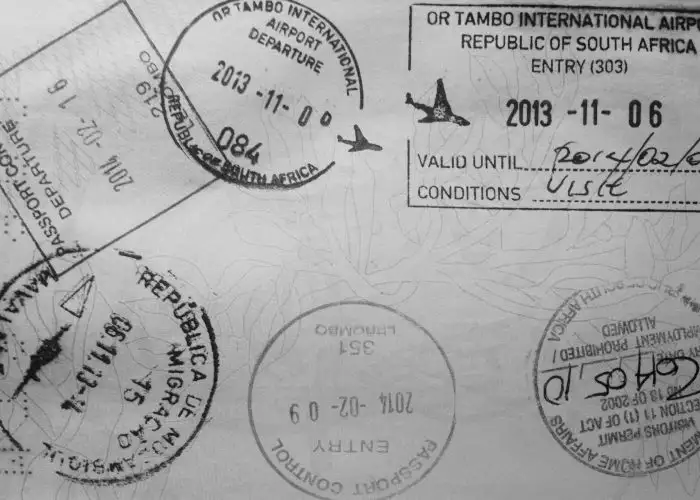
Working holiday visas encourage young Americans to travel, live, and work legally for six to 12 months (or sometimes longer) in a foreign country. Not all programs are the same, and each has its own restrictions.
Generally speaking, you need to have graduated high school, have no prior criminal convictions, and have no dependents traveling with you. Proof of a return ticket and sufficient funds are also typical general requirements for working holiday visas.
Some countries also require you to be enrolled in a university or be a recent graduate, and age restrictions vary by program.
Working holiday visas encourage young Americans to travel, live, and work legally for six to 12 months (or sometimes longer) in a foreign country. Not all programs are the same, and each has its own restrictions.
Generally speaking, you need to have graduated high school, have no prior criminal convictions, and have no dependents traveling with you. Proof of a return ticket and sufficient funds are also typical general requirements for working holiday visas.
Some countries also require you to be enrolled in a university or be a recent graduate, and age restrictions vary by program.
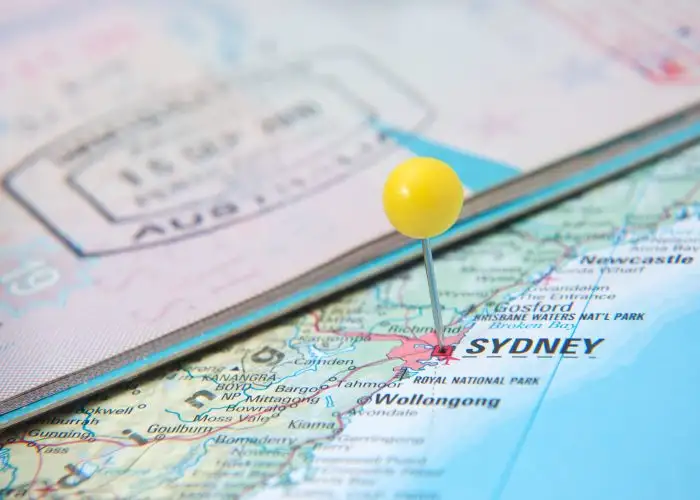
There are five countries that offer working holiday visas for U.S. citizens: Singapore, New Zealand, Australia, South Korea, and Ireland. Here are the specific requirements for each:
Australia: Age 18 to 30; proof of sufficient funds (equivalent to $5,000 AUD); can live and work in the country for up to 12 months, but can only stay with an employer for six months.
New Zealand: Age 18 to 30; proof of sufficient funds (equivalent to $4,200 NZD); can live and work in the country for up to 12 months, but can only say with an employer for six months; option of extending three months if work in agricultural or horticultural sectors.
South Korea: Age 18 to 30; currently a post-secondary student or recent graduate within the past year; proof of sufficient funds ($10,000 USD); can live and work in the country for up to 18 months, but some job industries are limited (journalism, law, medicine).
Ireland: No age restrictions; enrolled in either post-secondary education or recent graduate within the past year; proof of sufficient funds ($4,000 USD).
Singapore: Age 18 to 25; currently enrolled in university or be a graduate within the last year (it's worth noting that the university must be one of the top 200 for overall academic performance; see rankings here); and you can live and work in the country for up to six months. There is a limit to 2,000 people holding this visa at any given time.
The easiest countries to get working holiday visas for are Australia and New Zealand, as they don't require you to be a student or recent graduate, and both have healthy job markets.

Almost all applications for working holiday visas can be done electronically. Some countries may require you to submit additional documents via mail or go to an embassy. You can find out more about each country's process by visiting their specific program websites.
Australia: Subclass 462 Visa
New Zealand: USA Working Holiday Visa
South Korea: H-1 Visa
Ireland: US-Ireland Working Holiday Agreement
Singapore: Working Holiday Pass
The estimated amount of time for visa processing varies, but on average, expect a turnaround time of about a month. I received my visa approval for Australia within a few days, but other countries may take longer if they need to verify your academic status. My visa number was electronic, so I just made sure to write it down and kept it with my other travel documents.

A working holiday visa for U.S. citizens doesn’t come for free; however, since you are able to work and live in the country, you can think of it as an investment. When traveling or moving internationally, it's always wise to have an emergency fund or access to one in case you can't find work, or need to travel back sooner than planned. See below for the costs of a working holiday visa by country:
Australia: $316 USD (or equivalent to $420 AUD)
New Zealand: $165 USD
South Korea: $45 USD
Ireland: $350 USD
Singapore: $150 USD

After you get approval for your working holiday visa, make sure you also have proof of a return ticket home, sufficient funds, and any other requirements specific to your visa.
I also arranged temporary housing in advance so I could get a sense of what neighborhood I wanted to live in and have a chance to meet people before I rented an apartment.
Consider the minimum wage of the country you're traveling to (as a baseline for what you'll be making) and look up the cost of living for the particular city you want to live in. For example, Australia's minimum wage is quite high, but you don't receive tips if you're working in the hospitality industry, and the cost of living in Sydney and other major Australian cities is high.
Don’t overpack. There's no sense in bringing everything when half of the fun is discovering what it's actually like to live there. Bring the essentials and then shop cheaply or buy used furniture and household items once you're there.
Finally, look into medical traveler insurance coverage. Many "require" this but don't ask for proof; however, I highly recommend having some sort of international traveler insurance while you're living abroad.

Before you go, put feelers out for potential jobs and look at local job boards. If you want to work in a specific industry—like a bar, hostel, or travel agency—prepare a list of local companies to talk to once you arrive.
It will be a lot easier to find a job once you are actually in the country, so it's best to start applying online and then follow up in person. For Australia, Gumtree is a great place to browse job openings—as well as the place to find used furniture and even roommates. Most other countries will have their own versions of this—Jobs.ie for Ireland, Seasonal Work in New Zealand, and Craigslist SG for Singapore.
Obviously, you'll want to look at industries with higher or seasonal turnover, mainly the hospitality or tourism industry. I was able to get a freelancing job in marketing and writing while I was in Australia, but a lot of my friends were bartenders, au pairs, or tour guides. Think about the type of hours you want to work and how much time you want to take off for traveling, too.

It's important to note that some countries require you to have a domestic bank account and a tax file or alien number in order to legally work and get paid. For Australia, this was easily done online. New Zealand and Ireland also require this.
Once you have this number, you can open a bank account and start receiving direct deposits. Make sure to bring identification, your visa number, proof of an address, and job information if applicable at that time. See if your bank is part of the Global ATM Alliance—I was easily able to set up and transfer funds with a Westpac account in Australia because my U.S. bank was also part of it.
Some countries (like Australia) are legally required to set up a retirement fund for you. You set this up along with your bank account and can withdraw the funds online via direct deposit after your departure.
Finally, don't forget to file your taxes once you're back home.

Living abroad in a foreign country is never easy, but because of working holiday visa programs for U.S. citizens, there tends to be a larger expat community in these countries. Facebook groups are a good way to start—I joined one in Sydney that held weekly workout classes and happy hours, two great ways to meet people.
And, if you're working in the hospitality industry, you'll most likely meet other people, both locals and people on working holiday visas. My golden rule while in Australia was to never turn down an invitation, and I met friends who had a similar mentality and passion for travel that I'll always be connected with.
More from SmarterTravel:
- 10 Tips for Traveling as a Political Act
- The Ultimate Checklist for Traveling Abroad
- 9 Best Countries for Americans to Move To
Editor’s Note: All working holiday visas for U.S. citizens’ prices and information are subject to change. Please check official government websites for up-to-date information and requirements.
We hand-pick everything we recommend and select items through testing and reviews. Some products are sent to us free of charge with no incentive to offer a favorable review. We offer our unbiased opinions and do not accept compensation to review products. All items are in stock and prices are accurate at the time of publication. If you buy something through our links, we may earn a commission.
Top Fares From




Today's Top Travel Deals
Brought to you by ShermansTravel
France: 8-Night Paris, Avignon & Nice...
Infinity Worldwide Vacations
 vacation
$2880+
vacation
$2880+
Poconos: 3 Nts in Garden of...
ResortsAndLodges.com
 hotel
$305+
hotel
$305+
7-Nt Canada & New England Cruise,...
Princess Cruises
 cruise
$839+
cruise
$839+