
If you’ve ever reluctantly spent $7 on a bottle of water or $30 on a mediocre meal at an airport, know that there’s a better way. Packing a meal and snacks ahead of time for your next flight will not only save you money, but will also be way tastier and more satisfying than buying food at the airport (or subjecting yourself to the in-flight meal).
Follow these tips to pack the best food for your next flight and save your money for a splurge meal at your destination.
What Foods Can’t You Bring on a Plane?
There aren’t any foods that are specifically banned from bringing on a plane—the important thing to consider is if the TSA will consider your food a liquid. The TSA’s definition of “liquid” is stricter than most people’s, as the agency considers spreadables, like peanut butter or cream cheese, to be liquids. You can still bring these foods through security, but they will have to meet the 3-1-1 rule.
Although you can bring alcohol onboard a plane, you can’t consume it. Per FAA regulations, passengers can only drink alcohol that was served by a flight attendant. This applies to alcohol purchased at duty-free shops in the airport as well, so make sure you keep your liquor bottles sealed in-flight.
The Best Foods to Pack for Air Travel
Flying at a high altitude of 35,000 feet puts your body (and digestive system) under stress, so the best pre- and mid-flight meals are ones that are easy to digest. Opt for foods that are low-sodium (to reduce swelling) and skip the fried, greasy foods in favor of lean protein that will keep you satisfied but won’t upset your stomach.
Remember—just because you can bring it on a plane, doesn’t mean you should. Since you’ll be tightly packed in next to your seatmates, avoid bringing food that’s smelly or messy to eat.
These are my favorite snacks and meals to bring on a plane.
Catalina Crunch Cereal
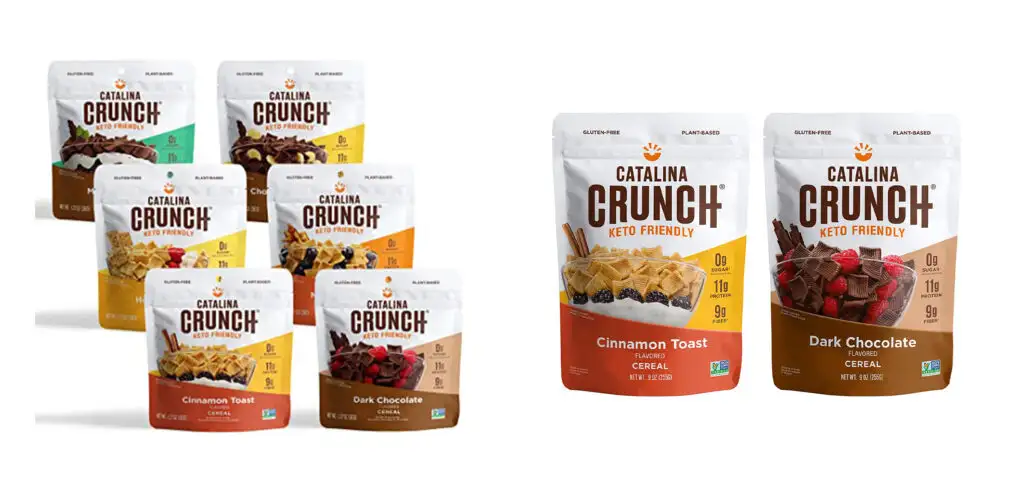
Regular cereal makes for a quick and easy breakfast or snack, but it’s not very filling. Instead, pack Catalina Crunch, a high-protein cereal that comes in tasty flavors like cinnamon toast. It’s as delicious eaten dry for a snack as it is with milk. Single-serving pouches make these easy to throw in your bag for an on-the-go snack.
Ginger Chews
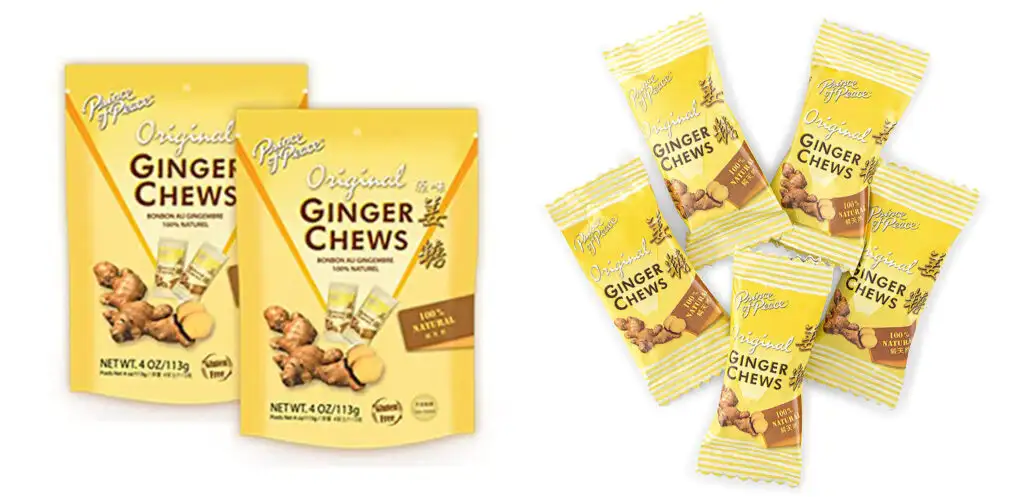
If you tend to get motion sick while flying, pack some ginger chews—ginger is a proven natural remedy for nausea. Plus, chewing on something while the plane is taking off and landing can help with any pressure in your ears.
Bada Bean Bada Boom
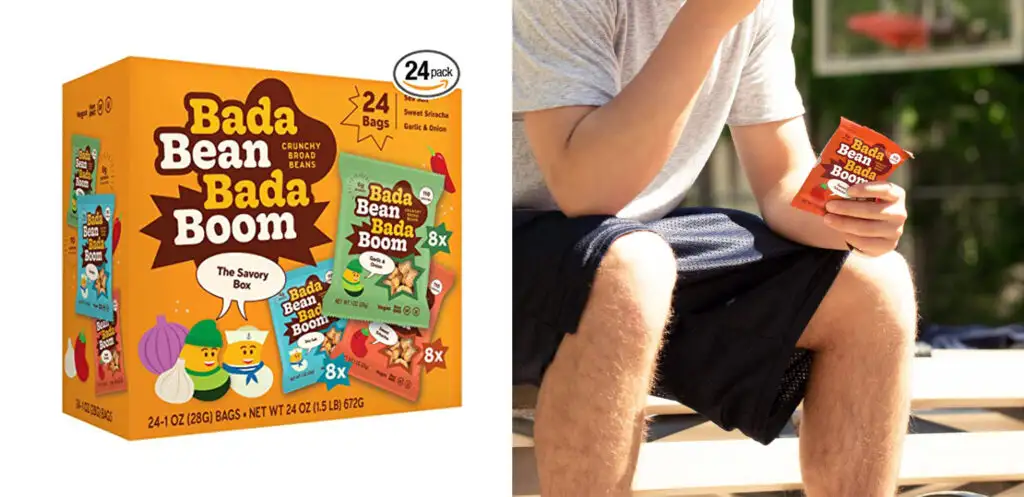
For a healthier alternative to the chips being served as an in-flight snack, try Bada Bean Bada Boom. These roasted fava beans come in chip-like flavors such as mesquite barbecue and sweet sriracha, but offer four times the protein and five times the fiber of potato chips—so you’ll stay full until you land.
GoMacro Bars
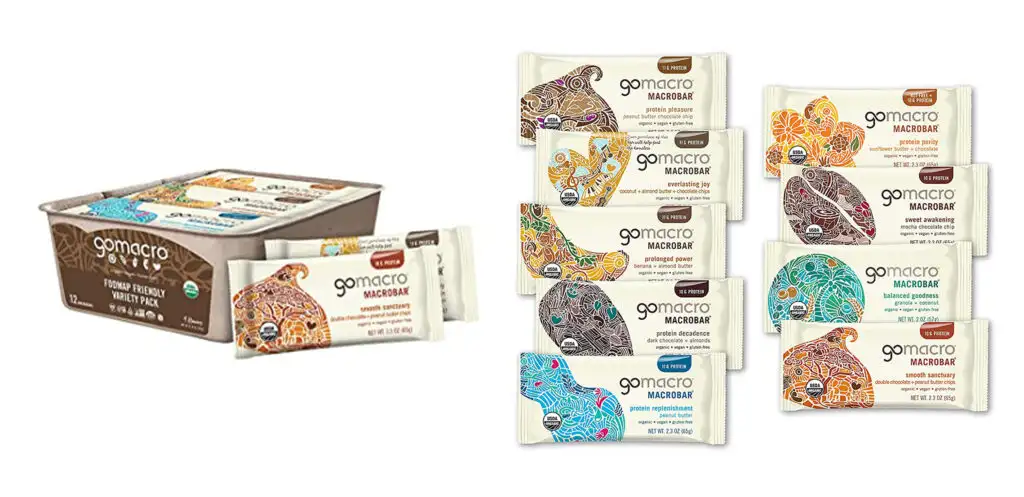
Protein bars are the easiest snacks to pack for travel. We like GoMacro because of the bar’s simple ingredients. Opt for the FODMAP friendly variety pack which only includes flavors with stomach-friendly ingredients.
ZENB Pasta Agile Bowls
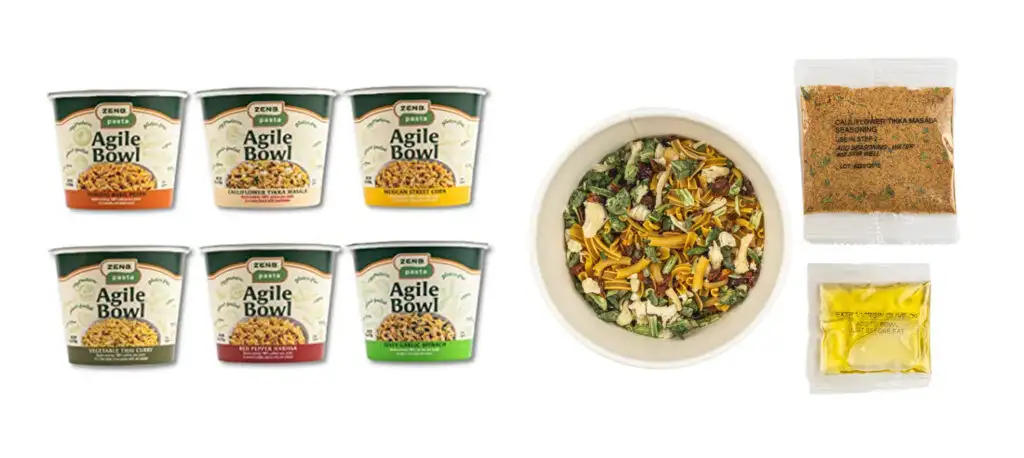
If you want a bargain-priced hot meal while traveling, pack Zenb Pasta’s Agile Bowls. Get a cup of hot water from an airport coffee shop and add it to the bowl, and you’ll have a warm and filling pasta dish ready in about five minutes.
The Best Gear for Traveling With Food
Traveling with food requires a little prep work, as well as investing in some gear that will keep your food at the perfect temperature and contained (without leaks) throughout your whole trip. These gadgets can help.
Ninja Foodi Power Blender Ultimate System
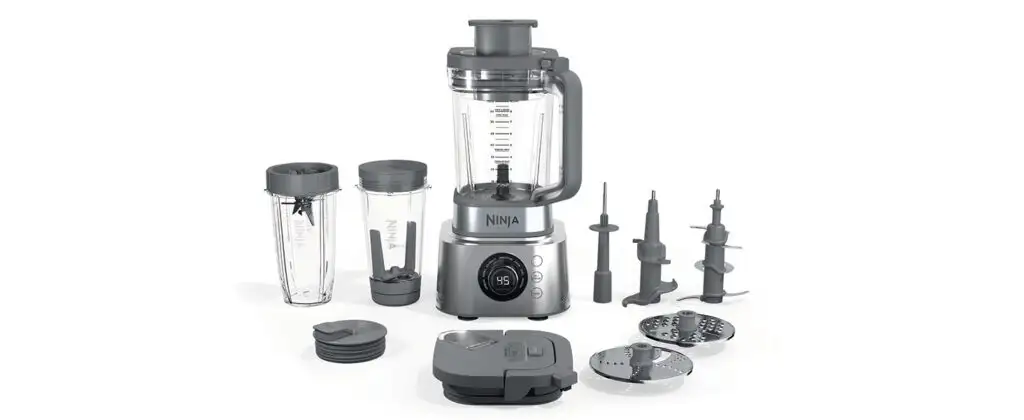
Before a recent long flight, I stopped at a cafe and impulse bought a smoothie bowl, accidentally discovering my new favorite travel food. When frozen solid, a smoothie or smoothie bowl can be brought through airport security. It stays cold for hours, and will become the perfect consistency to eat once you’re in the air. Packed with fruits and vegetables, a smoothie bowl is a very soothing and filling meal that’s easy to digest and will also help keep you hydrated.
To save money and make the perfect smoothie bowl at home, I use the Ninja Foodi Power Blender Ultimate System. This powerful blender is designed for makings smoothie bowls, and comes with a smoothie bowl that you can blend right into for an easy meal on-the-go.
All I have to do is dump in a small amount of liquid and any frozen ingredients that I want, and the Ninja instantly pulverizes it into the perfect smoothie bowl consistency.
The system doubles as a food processor too, so you can also use it to chop vegetables and make dip to bring with you (vegetables and dip make a great plane snack).
Hot Logic
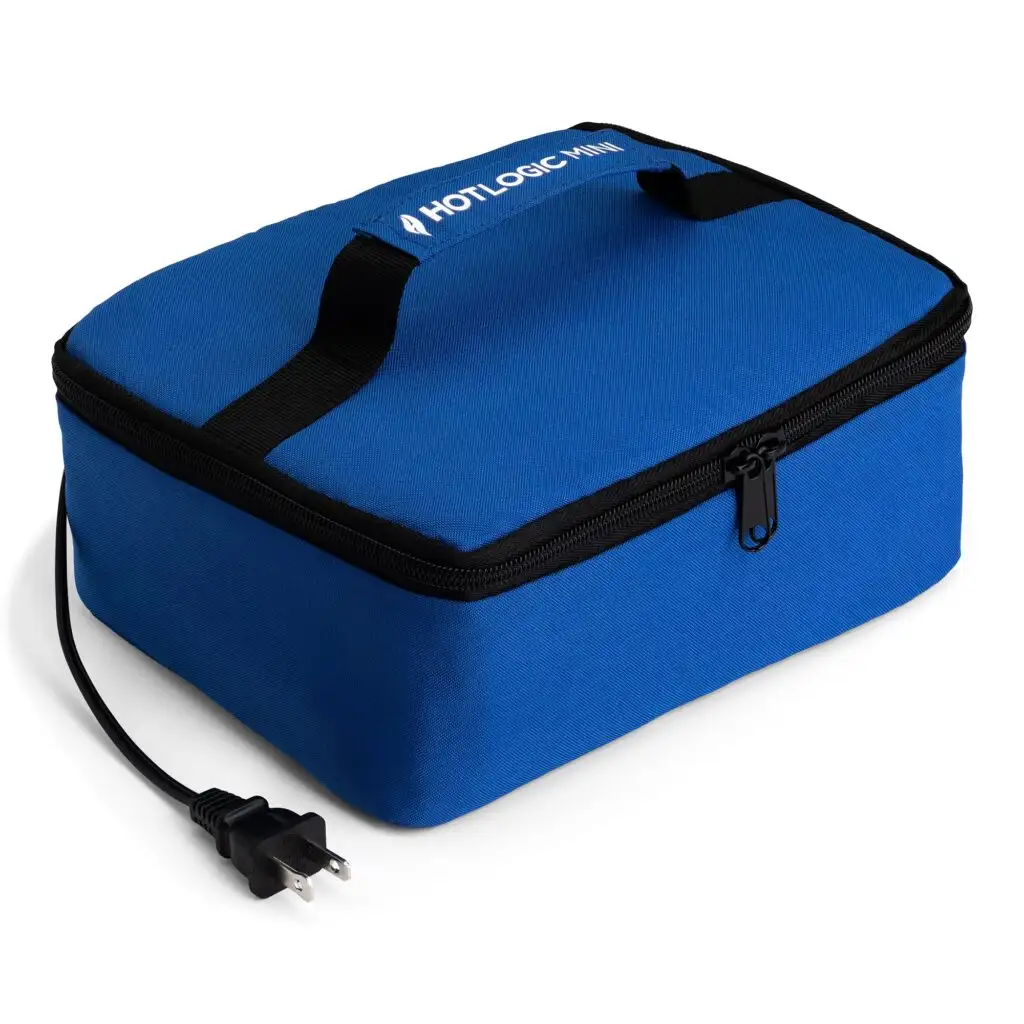
It might seem impossible to have a good, warm, in-flight meal (we’ll pass on the reheated meals served by the airlines), but it’s easy to do if you have a Hot Logic. This magic lunchbox can actually cook a hot meal for you—you just need access to a regular plug like you’ll find on most planes.
The Hot Logic uses conduction heating and can warm up leftovers in about 30 minutes, or cook a frozen meal in two hours. You can even cook it from scratch—it will make a meal in about one to two hours.
Don’t worry about making all the other passengers jealous (or mad) with the Hot Logic—the enclosed container keeps the smell of your food inside while it’s cooking.
PackIt
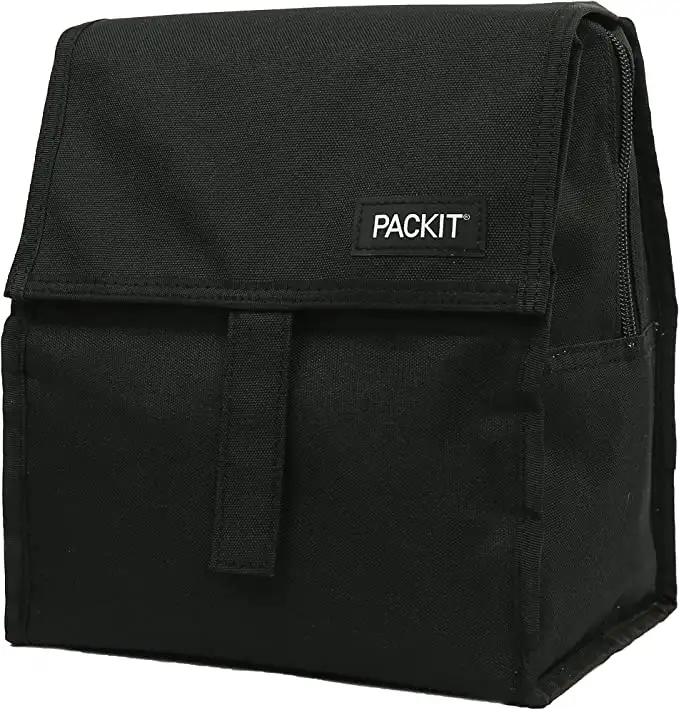
Ice packs can leak, cause a mess, and potentially be confiscated by the TSA. Eliminate them entirely by using the PackIt Freezable Lunch Bag to keep your food cold instead. This uniquely designed lunchbox has a freezable gel built directly into the walls of the bag. Simply freeze the entire bag and it will keep your food cold for up to eight hours.
Add in the brand’s bento containers, which have removable dividers, to create your own custom snack box that’s cheaper and better than anything you can buy on the plane. I like to use it to pack a fun deconstructed snack board with cheese, crackers, veggies, and dips.
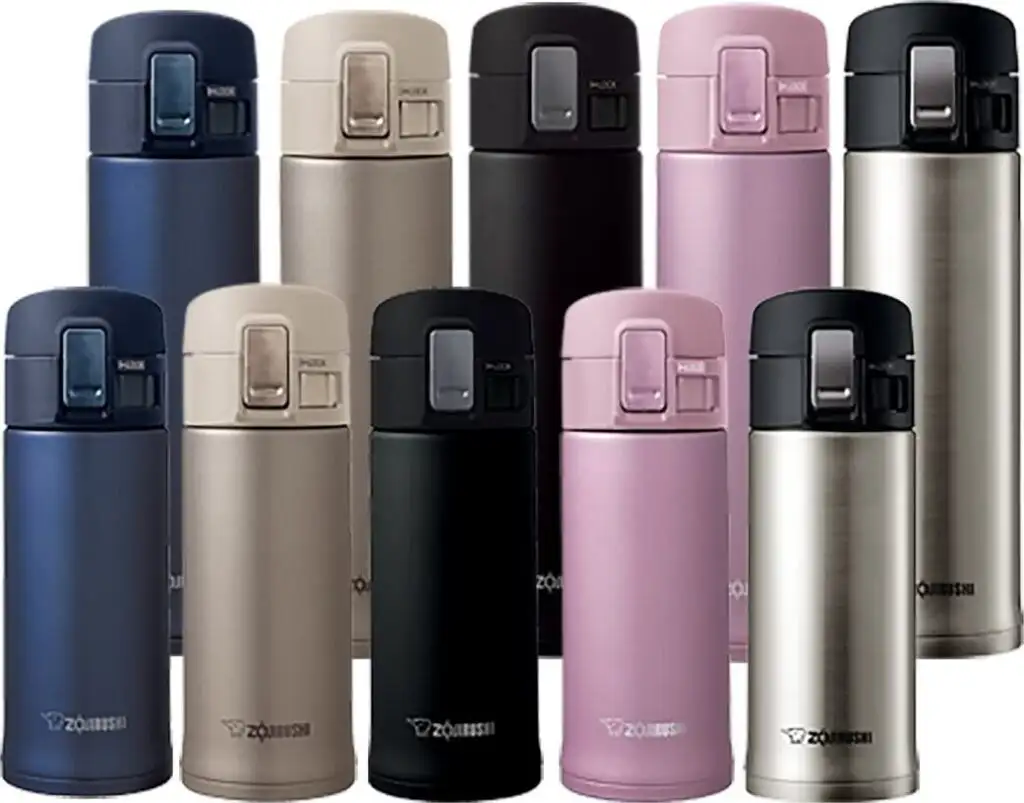
Although you can’t bring a full water bottle through airport security, you can bring an empty one—which you can then fill up from the airport’s water fountain. Zojirushi’s Stainless Steel Mug will keep that water cold for hours, and it has a leak-proof lock that will prevent any spills in your bag.
When you get to your destination, you can reuse it as a coffee mug, as it will keep beverages piping hot for a really long time.
You Might Also Like:
• The Thinnest, Warmest Winter Clothes for Packing• 12 Best Subscription Boxes to Gift Travelers
• How to Avoid the Worst Cold-Weather Packing Mistakes
• 8 Genius Ways to Preserve Your Phone’s Battery Life While Traveling
• 9 Over-the-Counter Medications You Should Pack for Every Trip
We hand-pick everything we recommend and select items through testing and reviews. Some products are sent to us free of charge with no incentive to offer a favorable review. We offer our unbiased opinions and do not accept compensation to review products. All items are in stock and prices are accurate at the time of publication. If you buy something through our links, we may earn a commission.
Top Fares From
Today's Top Travel Deals
Brought to you by ShermansTravel
12-Night Peru Escorted Tour, Incl. Sacred...
Wingbuddy
 vacation
$2198+
vacation
$2198+
Amsterdam to Copenhagen: Luxe, 18-Night Northern...
Regent Seven Seas Cruises
 cruise
$12399+
cruise
$12399+
Ohio: Daily Car Rentals from Cincinnati
85OFF.com
 Car Rental
$19+
Car Rental
$19+