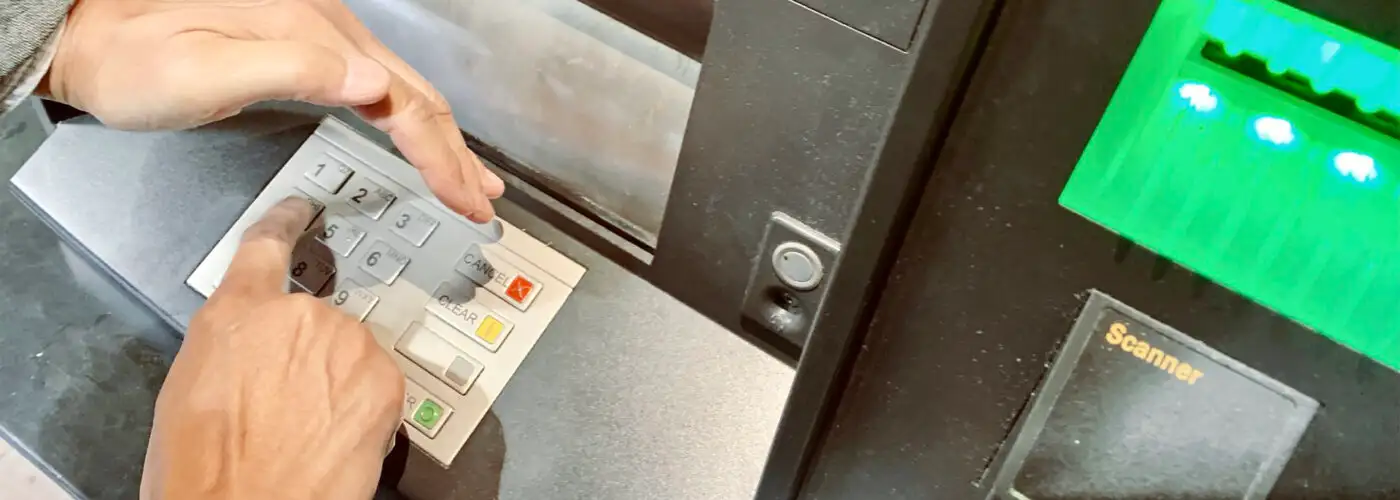
Travel experts (myself included) will always recommend that you rely primarily on plastic while traveling: specifically, credit cards for big-ticket items and debit ATM cards for cash on arrival. The longstanding issue with that practice has always been foreign transaction fees—but you might be surprised to hear that this pesky type of fee is becoming less and less relevant.
In many cases you can now avoid foreign transaction fees entirely, while in others you’ll pay them, but will ultimately lose less money than any other cash-acquirement option. For foreign travel, especially, you can’t beat plastic: In fact, you may actually need credit cards in more and more places as they opt out of cash all together. Cashless retail outlets are becoming widespread, especially in Sweden and across China, with some places refusing to accept any paper currency at all.
Beating Foreign Transaction Fees on Credit Cards
Credit cards have improved dramatically in recent years for overseas purchases. About a decade ago, most banks had a three percent surcharge on foreign credit card purchases—even purchases in U.S. dollars. But now, most big issuers—including Chase, Bank of America, Capital One, and American Express—offer multiple credit cards with no foreign transaction fees. For the most part, cards that target travelers typically no longer have foreign surcharges. To see a list of cards without foreign transaction fees, see Airfarewatchdog (SmarterTravel’s sister site).
And although you can use a credit card to withdraw cash, that’s not a good idea: With all banks, cash withdrawal on a credit card comes with interest charges, plus fees, as well. The biggest trap for use of credit cards outside the U.S. is now the attempt by some merchants to bill you in dollars rather than local currency. The trap? They convert your bill at a lousy exchange rate. If a transaction ever prompts you to choose between dollars or the local currency, always choose the local currency. Also keep in mind that, even if your card charges a small fee, it’s likely less than the fee any currency exchange counter will take from you.
The best ways to deal with credit card purchases to avoid foreign transaction fees are:
- Use whatever no-surcharge credit card serves you best.
- Don’t let anyone try to bill you in dollars rather than the local currency.
- Don’t use a credit card to acquire cash.
- If your current card adds a surcharge—and you don’t want to apply for a different card—a loss of three percent is still a lot less than your loss converting currency at any exchange counter.
Beating Foreign Transaction Fees on Debit Cards
The foreign transaction fees situation is not as good with debit cards, but still improving.
In most of the world, you can use an ATM card issued by a U.S. bank at an ATM in a foreign country to withdraw local currency. The actual exchange is carried out by the international American Express, MasterCard, or Visa networks, and the exchange fee is typically one percent or less. But most U.S. banks add a surcharge of $3 to $5 per withdrawal from any ATM other than its own ATMs, including virtually all ATMs outside the United States. Many add an exchange surcharge on top of that, as well. And the local ATM operator may add a fee.
For a while, the Global ATM Alliance offered no-fee withdrawals on Bank of America debit cards when used at another member bank’s ATM, but Bank of America later imposed a three-percent exchange surcharge. The main exceptions are many small banks—most notably savings banks, online banks, and credit unions—that waive debit card transaction fees and cover other fees on foreign withdrawals.
And a new debit card problem has emerged in recent years: Many big international hub airports have kicked out ATMs operated by local banks and substituted ATMs operated by exchange bureaus, such as Travelex. The signs on these ATMs say “no fees,” which is somewhat true: Your money is exchanged at the same retail rate you get at the exchange counter, and that rate is typically around 10 to 15 percent worse than the official bank rate. And then there’s your own bank’s fees.
Ways to withdraw local currency from a local ATM without piling on the foreign transaction fees are:
- If your usual ATM card is from a big bank with stiff withdrawal fees, consider opening a no-fee checking account at one of the many small banks that waive or cover foreign ATM charges.
- If you don’t have any local currency when you arrive in a foreign country, avoid airport ATMs operated by exchange bureaus if you can. If you can’t, get only as much as you need to get to your hotel.
And finally: Traveler’s checks? Not if you’re living in the 21st century. You’ll have a lot of trouble finding a bank that will exchange these checks, if you still have them. A lot has changed in travel banking in the past couple of decades—for the better.
More from SmarterTravel:
- 10 Smart Ways to Carry Money While Traveling
- 10 Travel Money Mistakes to Avoid
- What Happens When a Travel Provider Shuts Down Suddenly?
Consumer advocate Ed Perkins has been writing about travel for more than three decades. The founding editor of the Consumer Reports Travel Letter, he continues to inform travelers and fight consumer abuses every day at SmarterTravel.
Editor’s note: This story was originally published in 2012. It has been updated to reflect the most current information.
We hand-pick everything we recommend and select items through testing and reviews. Some products are sent to us free of charge with no incentive to offer a favorable review. We offer our unbiased opinions and do not accept compensation to review products. All items are in stock and prices are accurate at the time of publication. If you buy something through our links, we may earn a commission.
Top Fares From




Today's Top Travel Deals
Brought to you by ShermansTravel
12-Night Peru Escorted Tour, Incl. Sacred...
Wingbuddy
 vacation
$2198+
vacation
$2198+
Amsterdam to Copenhagen: Luxe, 18-Night Northern...
Regent Seven Seas Cruises
 cruise
$12399+
cruise
$12399+
Ohio: Daily Car Rentals from Cincinnati
85OFF.com
 Car Rental
$19+
Car Rental
$19+