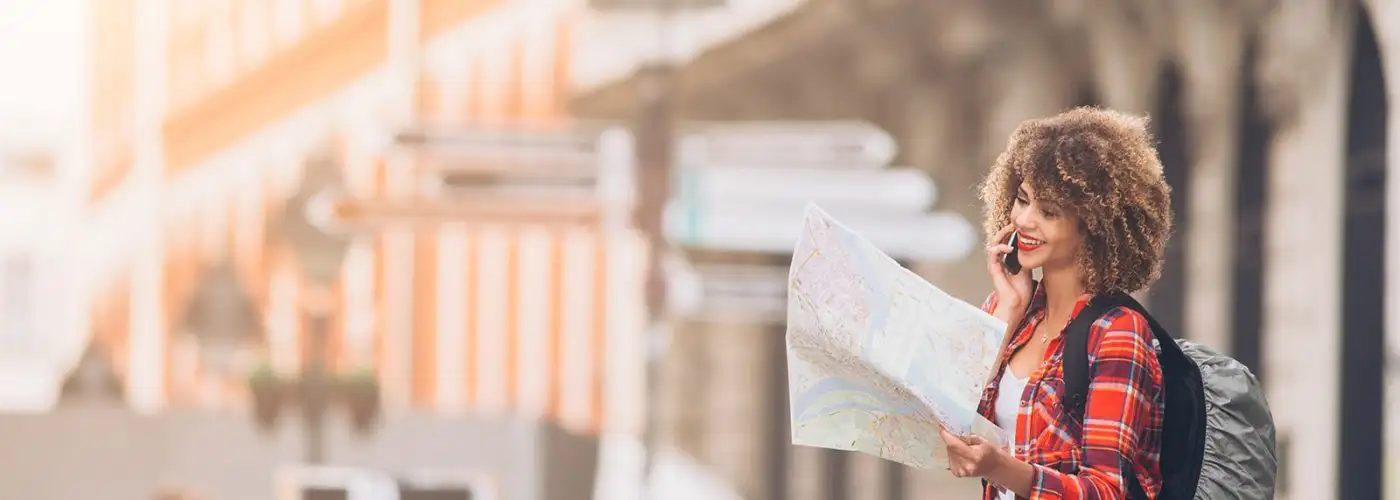
We’ve been thinking a lot about what makes a good traveler lately. Usually, those thoughts tend to go into higher levels of personal philosophy and self-improvement. At its base though, no matter where we go, there are a few things we should all know—not just to make us better travelers, but better people. Here are our top 20.
—Matt Long, Yahoo! Travel
Image Gallery
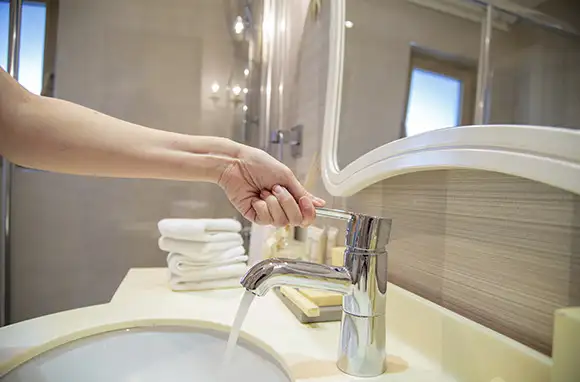
How to Wash Clothes in a Sink
All of us, from luxury travelers to budget travelers, will, at some point, have a laundry emergency and be forced to launder our own clothes effectively and quickly.
How to Wash Clothes in a Sink
All of us, from luxury travelers to budget travelers, will, at some point, have a laundry emergency and be forced to launder our own clothes effectively and quickly.
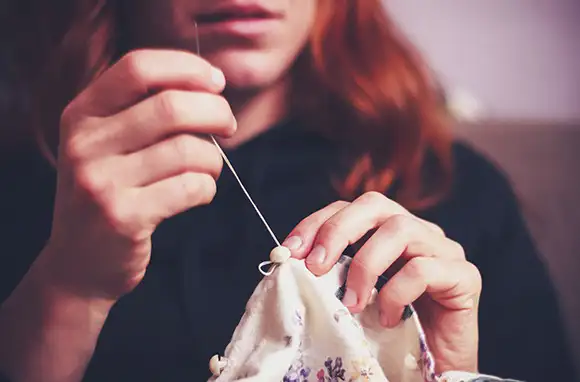
How to Use Needle and Thread
I'm the first to admit that I can't sew. But I do know the basics of threading a needle and reattaching a button. You never know how and when you'll need to repair clothes—or even luggage—so learn the fundamentals of sewing, like how to sew on a button.
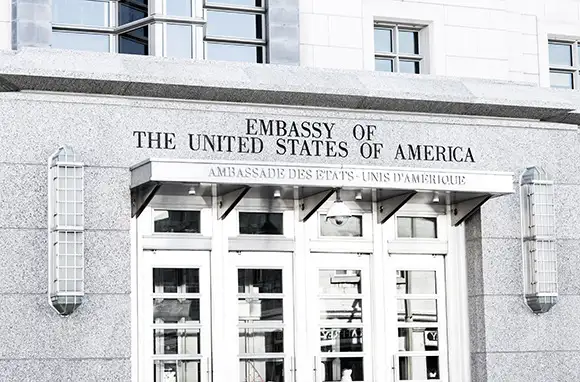
Where the Nearest Embassy Is Located
If you're leaving the country, this is a simple and important thing to know. You never know what will happen, from losing your passport to a military coup—so just do a simple search for the nearest embassy. If you're from the U.S., here's a guide.
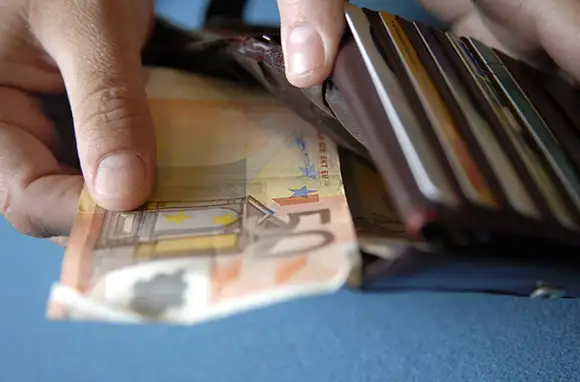
How Important It Is to Keep an Emergency Stash of Money
Travel can be unpredictable, and I've heard far too many horror stories of theft and loss on the road. I've even had it happen to me, so I know the importance of keeping a secret stash of money. Just don't forget where you put it!
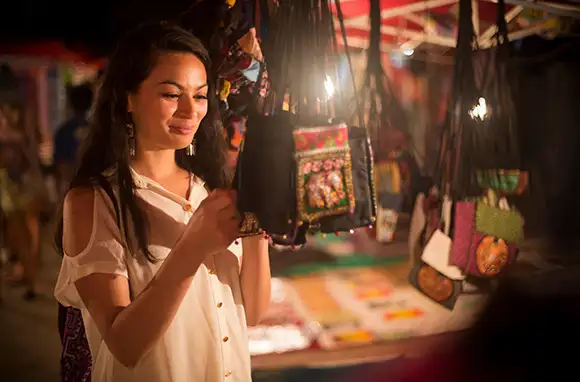
The Art of Haggling
Although the practice of haggling is an alien concept for many, it's a vital skill to possess in many corners of the world. Here's how to do it right.

How to Say "No, Thank You," Wherever You Are
I mean this in two different ways. First, I mean that you should take the time to learn this phrase in the local language of your destination of choice. It will help you a million times, from warding off salespeople to buskers. Second, I mean that you should be somewhat selfish when you travel. Don't do things that you don't want to do or waste time on experiences that are not important to you.
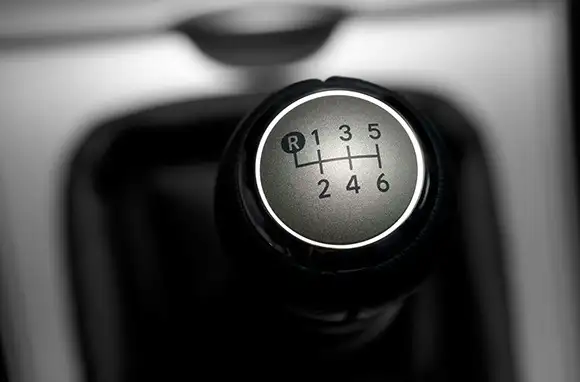
How to Drive Stick Shift
Many of us have been spoiled by automatic transmissions in cars, a feature hard to find in many parts of the world. Learning how to drive a stick shift will open up new travel possibilities and will prepare you to travel anywhere in any kind of car, truck, or van.
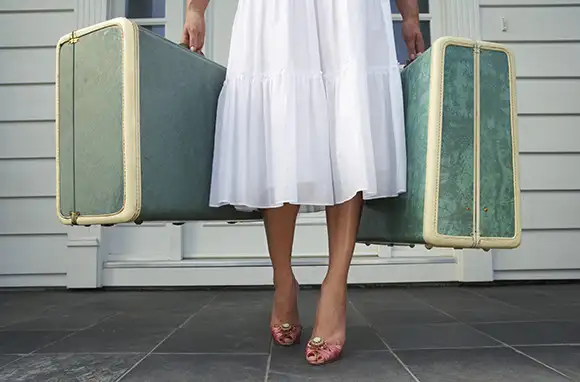
How to Travel Light
I can't say that I'm all that great at this, but I am getting better. No matter where you go and what you do, learning how to be a more efficient packer is a very valuable skill.
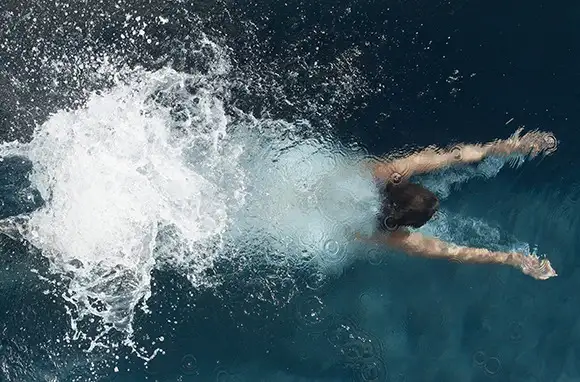
How to Swim
Fine, this is more of a life skill than purely a travel one, but it's important. First, you never know when you might need to swim. Be in an emergency situation or a fun new experience you want to try, swimming is an important travel skill everyone should possess. Here's how to learn.
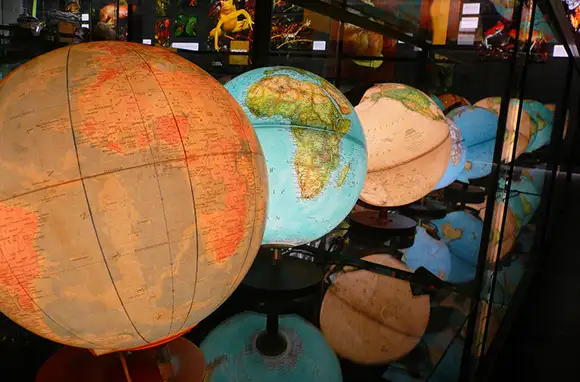
The Basics of Geography
I think that to be a good traveler, you have to be a smart traveler. Sure, idiots can (and do) travel, but armed with a little knowledge, you can dramatically improve your travel experience. At the top of the list of things to know is basic geography. I'm not asking for you to be able to label every country in Africa; just know the major things.
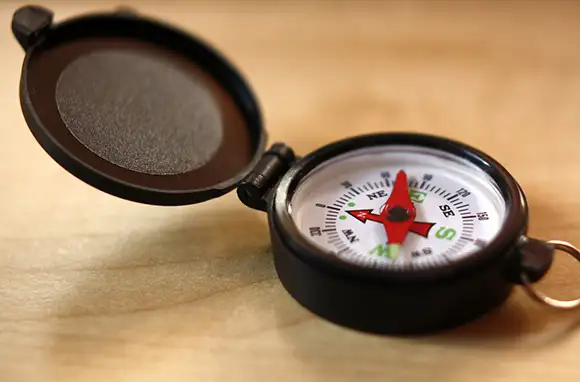
How to Use a Compass
Granted, few of us find ourselves lost in the woods with only a pocketknife and compass to save us. But using a compass is such a basic skill, and you never know when it could come in handy.
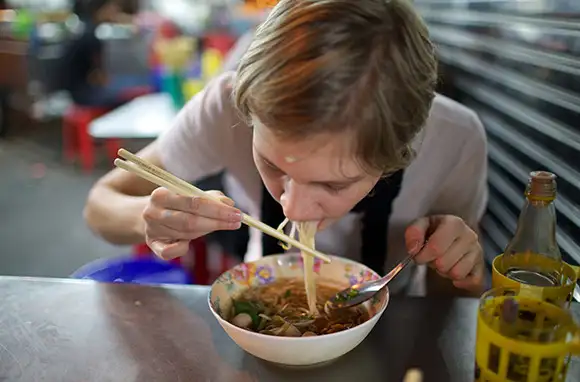
The Proper Use of Chopsticks
Chopsticks aren't just relegated to use in Japan, they're a popular utensil all over the world, thanks to the massive popularity of both sushi and Chinese restaurants. Plus, you look cool when you eschew the fork and knife in favor of two wooden sticks.
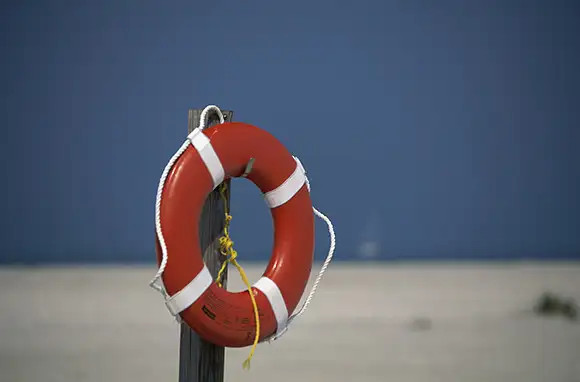
The Importance of Travel Insurance
I was late to the game on this one, but I am now a firm believer in the importance of being insured when you travel. First, there's the practical matter of travel delays and disruptions. There's a lot we can't control when we travel, so it pays to be prepared. Also, it's always possible to have a medical emergency when you're away from home, and unless you have proper insurance in place, it can be a financially debilitating experience. Finally, theft and loss happen everywhere; pick a plan that will protect your fancy gadgets.
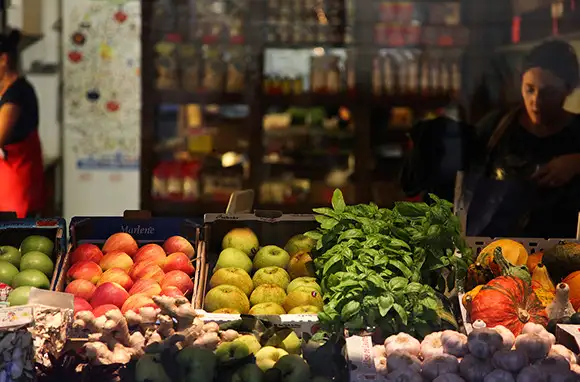
That Local Grocery Stores Are Awesome
One of my favorite ways to learn about local culture quickly is by visiting the nearest grocery store. You learn pretty instantly what the locals eat and how much importance they place on certain foods. The multiple aisles of olive oil in Madrid, for instance, illustrate how it's such a staple in the Spanish diet. Grocery stores are also a great place to get cheap snacks, drinks, and even meals.
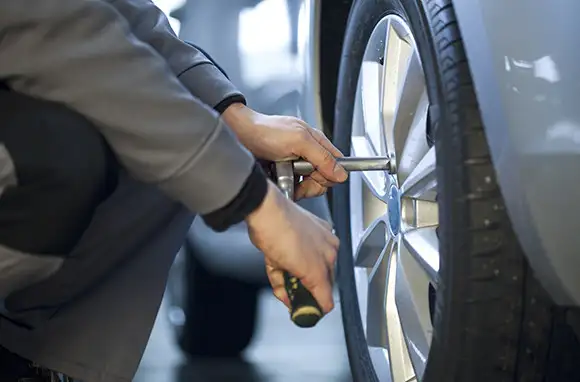
How to Change a Tire
Many of us rent a vehicle of some sort when we travel, and thus the chances of getting a flat tire somewhere are pretty high. Instead of being held hostage to roadside assistance, take some time and learn how to change a tire yourself.
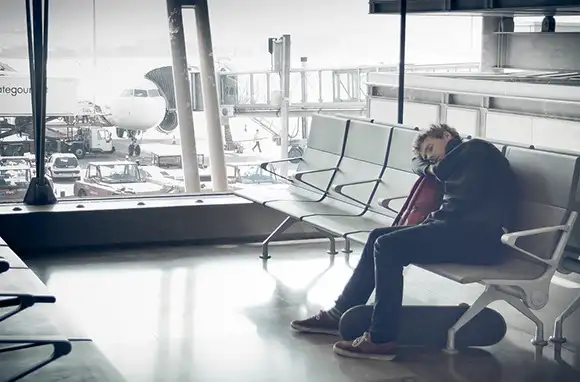
How to Sleep Anywhere
I wish I could master this skill, but even though I haven't succeeded yet, I know how important it is. We travelers often find ourselves in cars, planes, trains, or wherever, with some time to spare—and a few minutes of sleep could mean the difference between sanity and going nuts. If you can acquire this skill, you are on your way to being a travel master.

Three Good Jokes
The ability to add levity to any situation is a great skill to have, even if some things may be lost in translation. If you're not a naturally gifted joke teller, take some time to learn a few—and keep them in your travel arsenal.

Exercises You Can Do in a Hotel Room
Staying healthy on the road is difficult, but given how physically taxing travel can be, it's vital to do your best. If you can take even 10 minutes a day to do yoga or exercise in some way, it will make your travel experience infinitely more enjoyable.
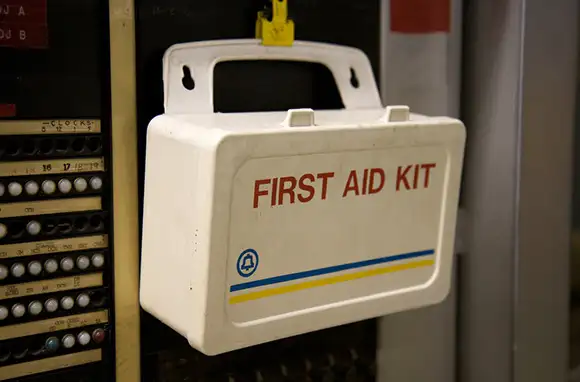
Basic First Aid
You never know what will happen—or where it will happen—which is why it's smart to be prepared. Take a first aid class, or simply do your online research on how to do simple things, like offering CPR or the Heimlich maneuver.
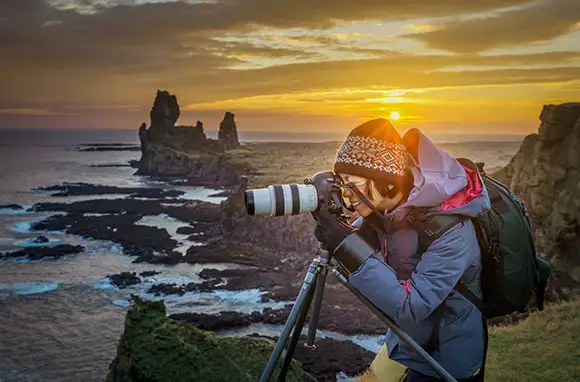
How to Take a Decent Photo
Almost everyone takes photos when they travel, but not everyone takes good photos. There's a difference. You don't have to have a fancy camera or be an expert to come home with quality photos, so take a few minutes to brush up on the basics and impress all of your Instagram travel friends.
—Matt Long
This article was originally published by Yahoo! Travel under the headline 20 Things Every Smart Traveler Should Know. It is reprinted here with permission.
More from Yahoo! Travel:
- This Beach Town Banned Kissing in Public
- An Idiot-Proof Guide to an Epic British Pub Crawl (A Broad Abroad)
- The Worst Stereotypes About Every U.S. State
More from SmarterTravel:
We hand-pick everything we recommend and select items through testing and reviews. Some products are sent to us free of charge with no incentive to offer a favorable review. We offer our unbiased opinions and do not accept compensation to review products. All items are in stock and prices are accurate at the time of publication. If you buy something through our links, we may earn a commission.
Top Fares From
Today's Top Travel Deals
Brought to you by ShermansTravel
France: 8-Night Paris, Avignon & Nice...
Infinity Worldwide Vacations
 vacation
$2880+
vacation
$2880+
Poconos: 3 Nts in Garden of...
ResortsAndLodges.com
 hotel
$305+
hotel
$305+
7-Nt Canada & New England Cruise,...
Princess Cruises
 cruise
$839+
cruise
$839+