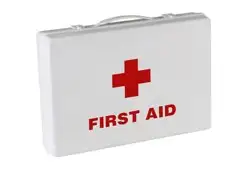
I’ve traveled the world, which means I’ve gotten sick everywhere from New Zealand to Italy. Travel is rough on the body, and finding familiar medications abroad is tough. I always pack a first aid kit of over-the-counter drugs just in case an illness or injury strikes. Here are my suggestions for your own kit.
- Pain medication, such as ibuprofen or Tylenol.
- A decongestant, such as Sudafed. Head colds can linger, so take enough pills for several days of doses.
- Allergy medication, such as Benadryl or Claritin. Benadryl contains the same active ingredient as some over-the-counter sleep aids, so it can serve double duty.
- Remedies for stomach troubles, such as Pepto-Bismol or Tums. If you’re going to be eating exotic food, pack extra.
- Adhesive bandages. If you’re really klutzy or planning adventurous activities, you might also want to pack gauze and Neosporin or an Ace bandage.
- Feminine products, such as tampons, pads, or yeast infection treatments. These are not problems you’ll want to explain to a foreign male pharmacist.
- Throat lozenges.
- Aloe vera ointment or another lotion for soothing sunburns.
- Hand sanitizer or wipes.
- Seasickness medication, if you’ll be traveling by water. Options can include pills, skin patches, ginger candy, or wristbands.
- Small packs of tissues. Be prepared for sudden sneezes, as well as sticky hands or bathrooms out of toilet paper.
In addition, always consult a doctor before exotic travel to determine if you need preventive inoculations or prescriptions for anti-malarial, altitude-sickness, or other medications.
Have a great travel tip you’d like to share? Send your insider travel strategies to [email protected].
We hand-pick everything we recommend and select items through testing and reviews. Some products are sent to us free of charge with no incentive to offer a favorable review. We offer our unbiased opinions and do not accept compensation to review products. All items are in stock and prices are accurate at the time of publication. If you buy something through our links, we may earn a commission.
Top Fares From




Today's Top Travel Deals
Brought to you by ShermansTravel
Ireland: 9-Night Dublin, Kilkenny, Killarney, Galway...
Brendan Vacations
 vacation
$3875+
vacation
$3875+
Amsterdam to Copenhagen: Luxe, 18-Night Northern...
Regent Seven Seas Cruises
cruise
$12399+
Ohio: Daily Car Rentals from Cincinnati
85OFF.com
 Car Rental
$19+
Car Rental
$19+