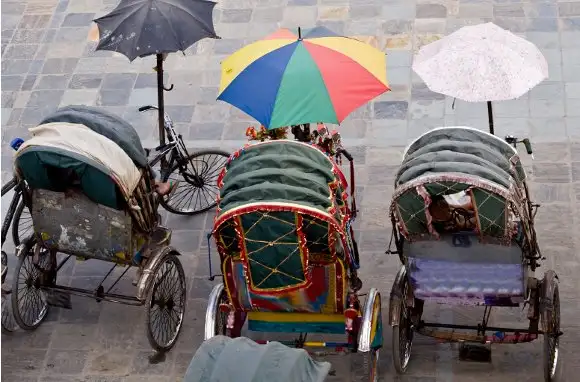
The world is a big place, so transportation is key if you want to see a lot of it. But stick to the traditional planes, trains, and automobiles, and you just might miss cultural flavor or a true vacation adventure. Here are ten unforgettable ways to explore destinations around the world. From colorful jeepneys in the Philippines to vintage funiculars in Switzerland and the soon-to-disappear Norry trains of Cambodia, hop on, hold on tight, and don’t forget your camera.
Image Gallery
Jeepney
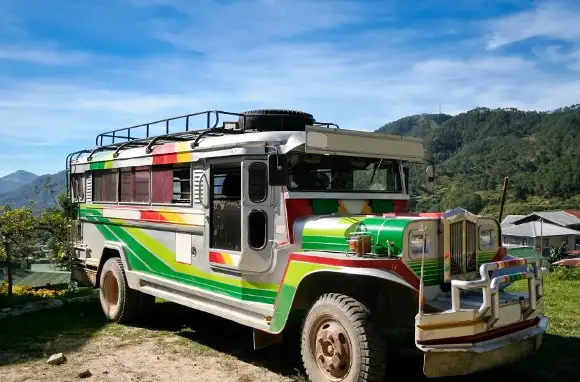
Surplus U.S. Army jeeps after World War II served as the raw materials for jeepneys in the Philippines. Known for their wild and colorful decorations, modern jeepneys are minibuses that transport passengers on regular routes in cities and to rural destinations. Affordable and unique, jeepneys have a lot of fans in the Philippines and beyond.
Jeepney
Surplus U.S. Army jeeps after World War II served as the raw materials for jeepneys in the Philippines. Known for their wild and colorful decorations, modern jeepneys are minibuses that transport passengers on regular routes in cities and to rural destinations. Affordable and unique, jeepneys have a lot of fans in the Philippines and beyond.
Tuk Tuk
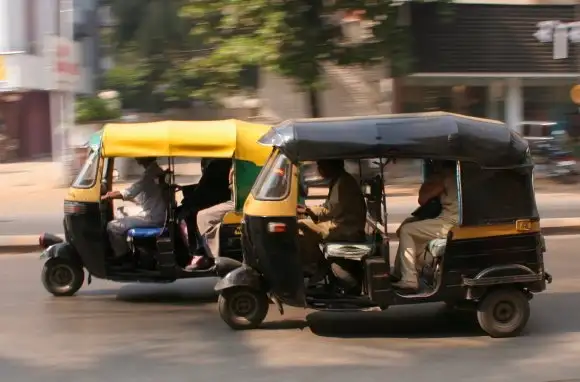
Riding in a tuk tuk with a companion and luggage offers a clown-car feel, but the open sides keep the claustrophobia at bay even when you're packed in tight. Popular as taxis in Asia, Guatemala, and parts of Africa, three-wheeled tuk tuksâknown by many other names, including auto rickshawsâare an affordable and fun (albeit bumpy) way to travel shorter distances.
Funicular
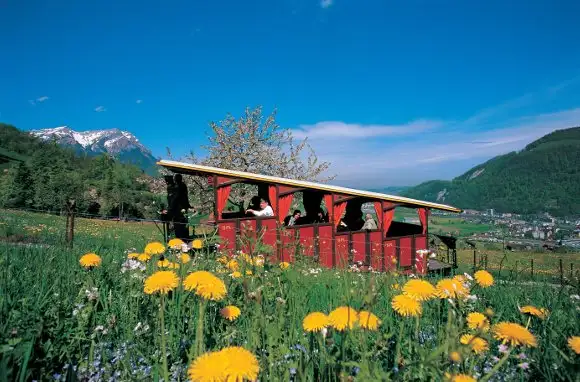
Its name aloneâfunicularâguarantees you're going to have a good time onboard. These cable railways tackle steep slopes; they're the mountain goats of vehicles. You can find funiculars all over the world, including in Bergen, Norway; Hong Kong; Lisbon; Quebec City; Valparaiso, Chile; and around Switzerland. Funiculars generally aren't very expensive to ride, and offer priceless views.
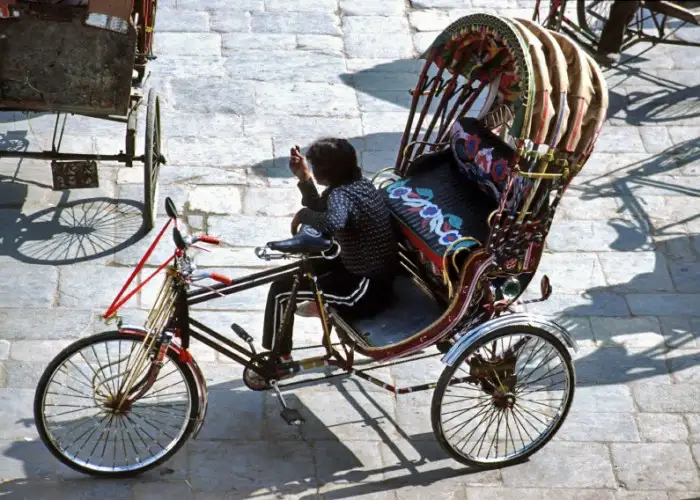
Rickshaw
Though runner-pulled rickshaws were once the norm, these days, rickshaws (or cycle rickshaws, trishaws, pedicabs, cyclos, etc.) are primarily bicycle powered. You sit back while the driver pedals you through the city. In places where rickshaws are a primary means of transport, it's an affordable way to get around. But in places where they're a novelty, you can expect to pay a bit more.
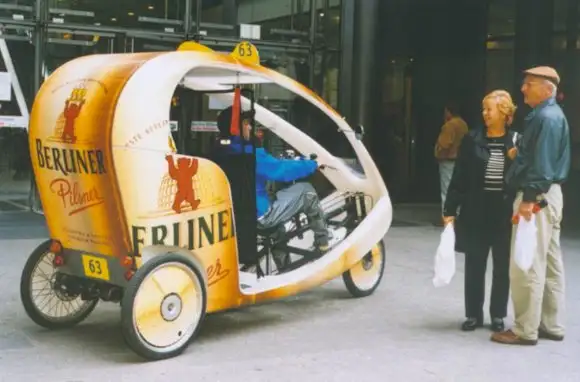
Velotaxi
If Lance Armstrong drove a rickshaw, it would look like this. The next generation pedicab is streamlined, made for paved streets, and offers some weather coverage to both pedaler and passenger. Some even have electrical motors that kick in when cyclists are carrying a heavy load or pedaling up a big hill. Velotaxis are fairly new still, but can be found in cities around Europe and in Korea, Japan, and the Middle East.
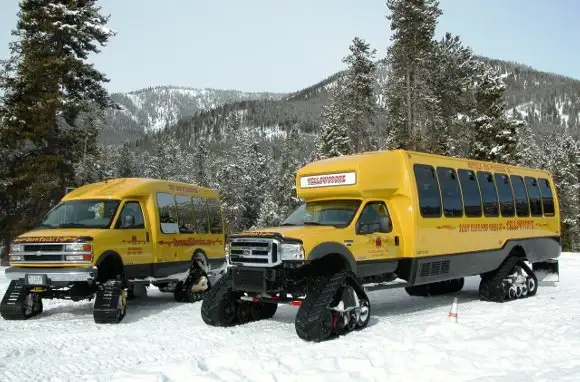
Snow Coach
Used for winter tours in Yellowstone and other wilderness areas in the U.S. and Canada, snow coaches have no problem navigating deep snow. Tracks or skis replace traditional tires, allowing for safe snow exploration. Want to see more big snow vehicles? Check out the tundra buses used for polar bear watching in Canada. Expect to pay day-tour prices for trips on winter vehicles such as these. In return you'll get access to wildlife viewing and winter wonderlands you simply won't see by car.
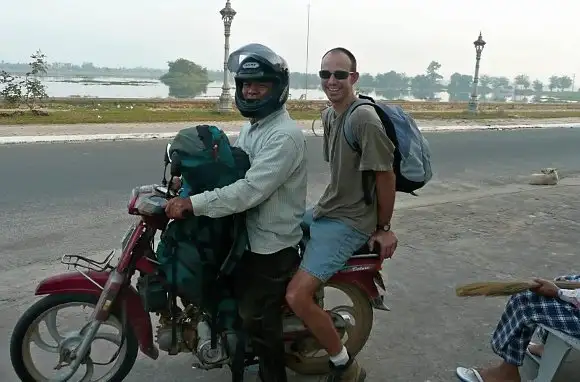
Motorcycle/Scooter Taxi
The traffic jams of heavily congested cities are no match for scooter and motorcycle taxis. They're often more affordable than auto taxis, and since they can zip between cars, they'll get you to your destination faster. Experiences range from terrifying to deluxe: In Cambodia, drivers are sometimes willing to pile two passengers on the back of a scooter; in Paris, motorcycle taxis often provide safety gear, heated seats, and blankets. Prices vary accordingly.
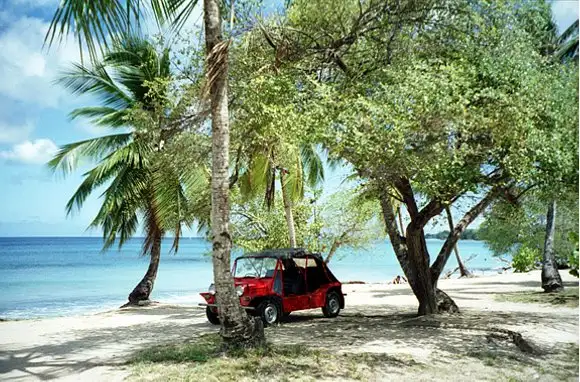
Mini Moke
Here's one you can drive yourself. Mini Mokes are part beach buggy, part Mini, and all fun. You can find these popular island exploration vehicles in destinations such as Barados, Grenada, the Seychelles, and Australia's Magnetic Island. They tend to be affordable as well; in Grenada, the daily rental cost is $35, $25 less than the cost to rent a four-door Jeep.

Bamboo Train/Norry
Imagine a bamboo donkey cart with a boat engine that rides on rails and you've got a pretty good picture of Cambodia's Bamboo Train, or Norry. Used to move both passengers and freight on local rail lines, these trains also take curious tourists along. But if you want to experience the Norries, you're on a deadline: they'll be gone by 2012.
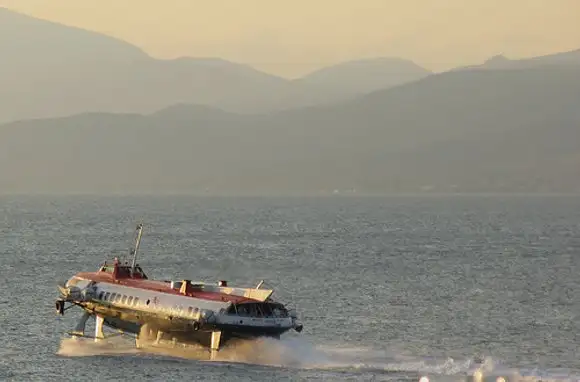
Hydrofoil
Sure, humans have been flying planes for over 100 years, but there's still something dazzlingly futuristic about a boat that seems to hover above the water. Hydrofoils provide a faster, smoother ride than traditional boats, and are used as ferries all over the world. Hop aboard a hydrofoil in Croatia, Greece, Korea, Japan, and elsewhere.
Have you been on an unusual form of transportation? Share your story with other readers below.
We hand-pick everything we recommend and select items through testing and reviews. Some products are sent to us free of charge with no incentive to offer a favorable review. We offer our unbiased opinions and do not accept compensation to review products. All items are in stock and prices are accurate at the time of publication. If you buy something through our links, we may earn a commission.
Top Fares From


Today's Top Travel Deals
Brought to you by ShermansTravel
France: 8-Night Paris, Avignon & Nice...
Infinity Worldwide Vacations
 vacation
$2880+
vacation
$2880+
Poconos: 3 Nts in Garden of...
ResortsAndLodges.com
 hotel
$305+
hotel
$305+
7-Nt Canada & New England Cruise,...
Princess Cruises
 cruise
$839+
cruise
$839+