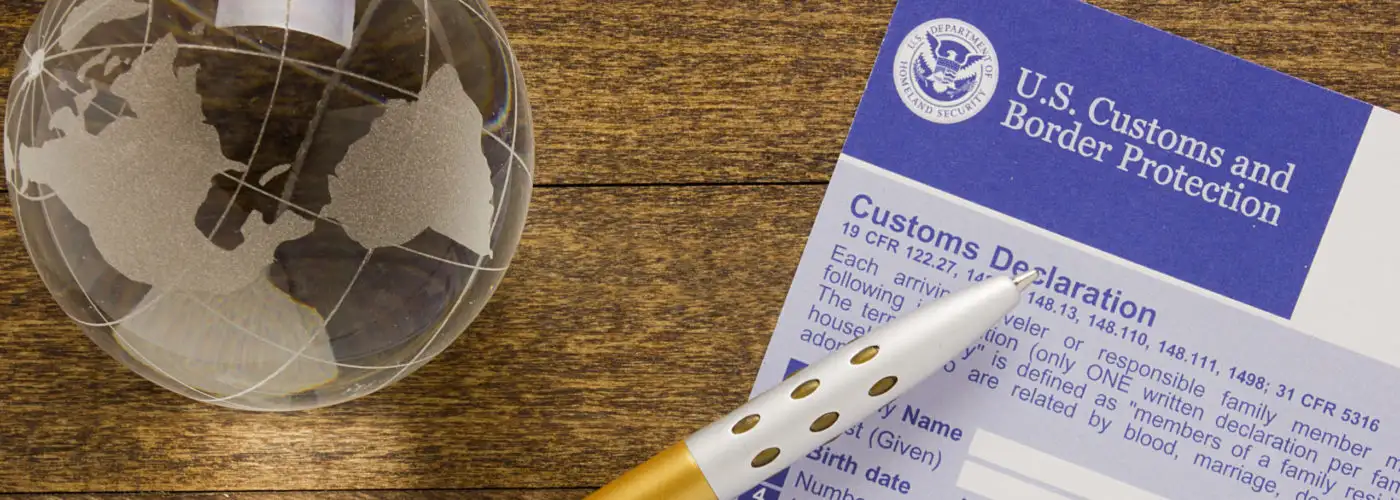
Before the pandemic, you just had to worry about remembering your passport in order to make it back to the United States. Now, with new travel regulations restricting reentry into the country, travelers have to be extra careful that they’re doing everything right if they don’t want to get stranded abroad. Here are five common mistakes you should avoid making when flying back to the U.S.
Not Having the Right Type of COVID-19 Test
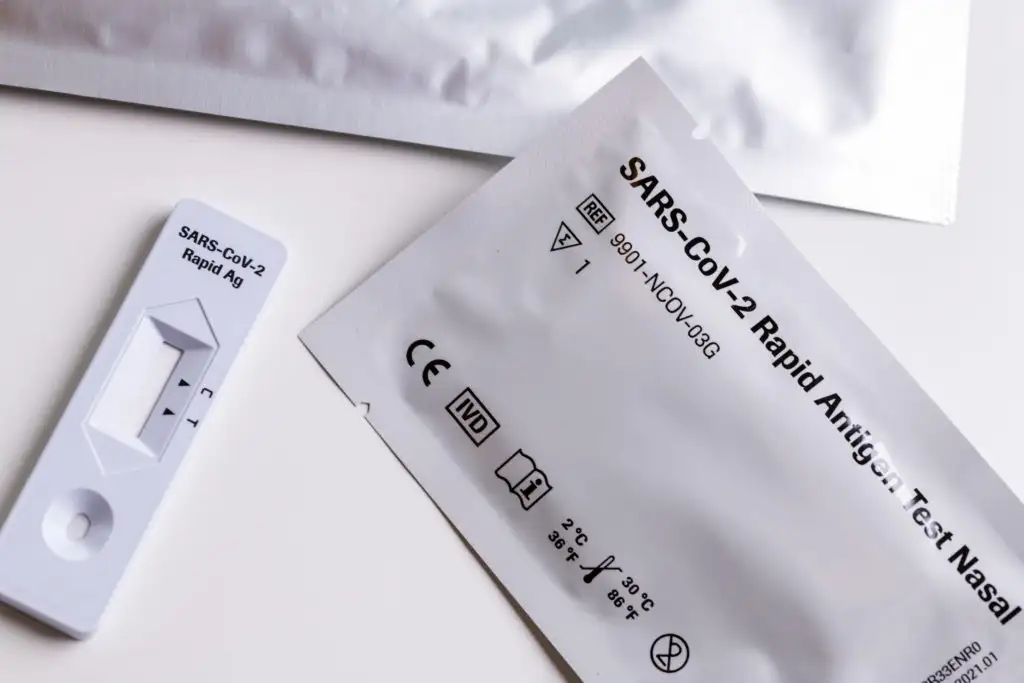
Be very careful about the type of pre-flight COVID test you book or buy before your trip back to the U.S. The U.S. is very specific about the type of COVID tests that will be accepted for reentry. Proof of negative tests will only be accepted if the test is a viral test that is either an antigen test or a nucleic acid amplification test (NAAT).
If you are packing a self-test to take while traveling, the test must meet the following requirements, according to the CDC:
- The test must be a SARS-CoV-2 viral test (nucleic acid amplification test [NAAT] or antigen test) with Emergency Use Authorization (EUA) from the U.S. Food and Drug Administration (FDA).
- The testing procedure must include a telehealth service affiliated with the manufacturer of the test that provides real-time supervision remotely through an audio and video connection.
- The telehealth provider must confirm your identity, observe the sample collection and testing procedures, confirm the test result, and issue a report that meets the requirements of CDC’s Order.
All test results used for reentry must include: the type of test, name of entity issuing the result, the date of the test, test taker’s identifying information (full name plus date of birth or passport number), and the test result. Results can be shown either on paper or electronically.
Forgetting to Declare Food
You might have forgotten about that banana you bought at your departure airport or the souvenir candy you’re bringing back from abroad―but failing to declare any food that you’re bringing into the U.S. can be a big mistake. If you don’t declare food when entering the U.S. and you get caught, you can face fines of up to $10,000. One unlucky traveler was even fined $500 and had her Global Entry membership revoked after failing to declare the apple that she had taken from her in-flight meal with her off the plane and into the U.S.
You shouldn’t be afraid to declare food at the border, as most packaged food products (like candy, breads, crackers, etc.) can be brought in without issue, and won’t even need to be inspected. You’ll only face additional questioning for products like fruits, meats, eggs, etc.
Not Having Proof of Vaccination
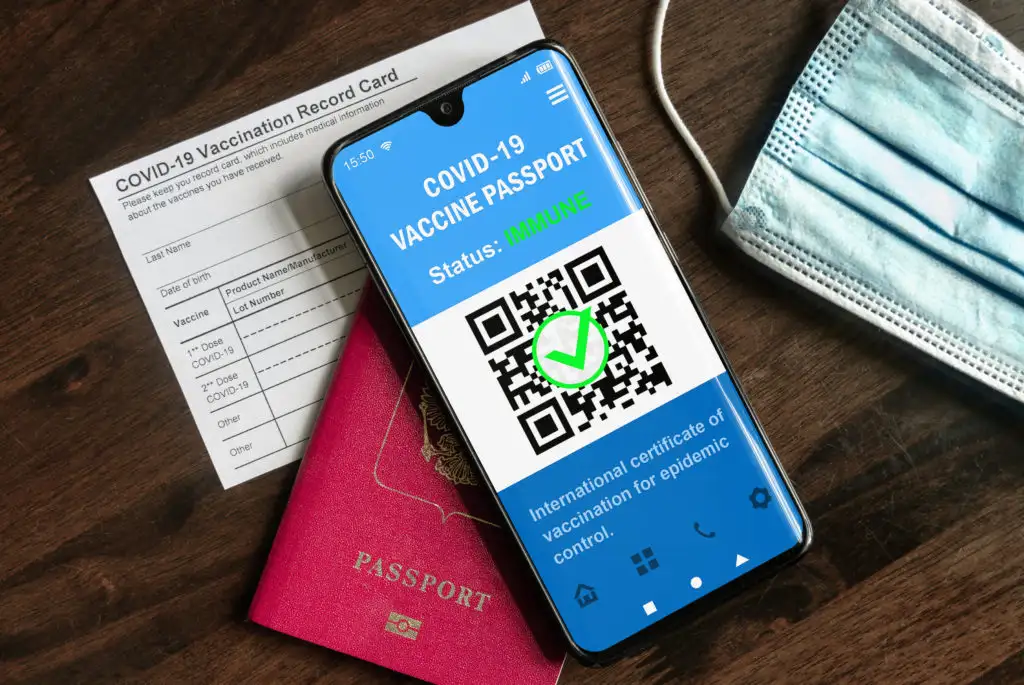
With many restaurants and other indoor establishments requiring proof of vaccination, it’s a great idea to save a photo or electronic copy of your vaccine card to your phone so you always have it with you when you need it―and it’s also necessary to have if you want to reenter the U.S. with a COVID test that’s three days old.
Acceptable proof of vaccination at the U.S. border includes:
- Vaccination certificates or digital passes with QR codes (such as the European Union Digital COVID certificate)
- A printed version of your vaccination record or CDC vaccination card
- A digital photo or electronic copy of your vaccination record/COVID card
Not Having Global Entry Membership
Now that international travelers are finally allowed back into the U.S., the country is experiencing a surge of visitors, causing longer entry lines at land borders and international airports. After a long flight home, the last thing you’ll want to do is wait in a customs line for hours. Instead, spend the $100 fee for a five-year Global Entry membership, which will allow you to speed through reentry to the U.S. Use it once and you’ll agree that it’s completely worth the cost.
Arriving to the Airport Too Late
When you’re still in vacation mode, planning to arrive at the airport three or more hours before your flight home can feel like a huge buzzkill―but cutting it too close can be especially risky these days. Airlines now have a number of things to check before they let travelers board a flight to the U.S., including vaccine cards and COVID tests, which can add hours to check-in lines. Don’t expect to make your flight even if you show up before the check-in window closes―be sure to leave extra time in case of long lines.
You Might Also Like:
• American Airlines is Cracking Down on Boarding Group Cheaters• Everything You Need to Know About the 24-Hour Rule
• The One Thing You Need to Add into Your Phone Before Traveling Abroad
• What Not to Do When Exiting a Plane During an Emergency
• 9 Surprising Things You Didn’t Know About TSA PreCheck & Global Entry
We hand-pick everything we recommend and select items through testing and reviews. Some products are sent to us free of charge with no incentive to offer a favorable review. We offer our unbiased opinions and do not accept compensation to review products. All items are in stock and prices are accurate at the time of publication. If you buy something through our links, we may earn a commission.
Top Fares From

Today's Top Travel Deals
Brought to you by ShermansTravel
12-Night Peru Escorted Tour, Incl. Sacred...
Wingbuddy
 vacation
$2198+
vacation
$2198+
Amsterdam to Copenhagen: Luxe, 18-Night Northern...
Regent Seven Seas Cruises
 cruise
$12399+
cruise
$12399+
Ohio: Daily Car Rentals from Cincinnati
85OFF.com
 Car Rental
$19+
Car Rental
$19+