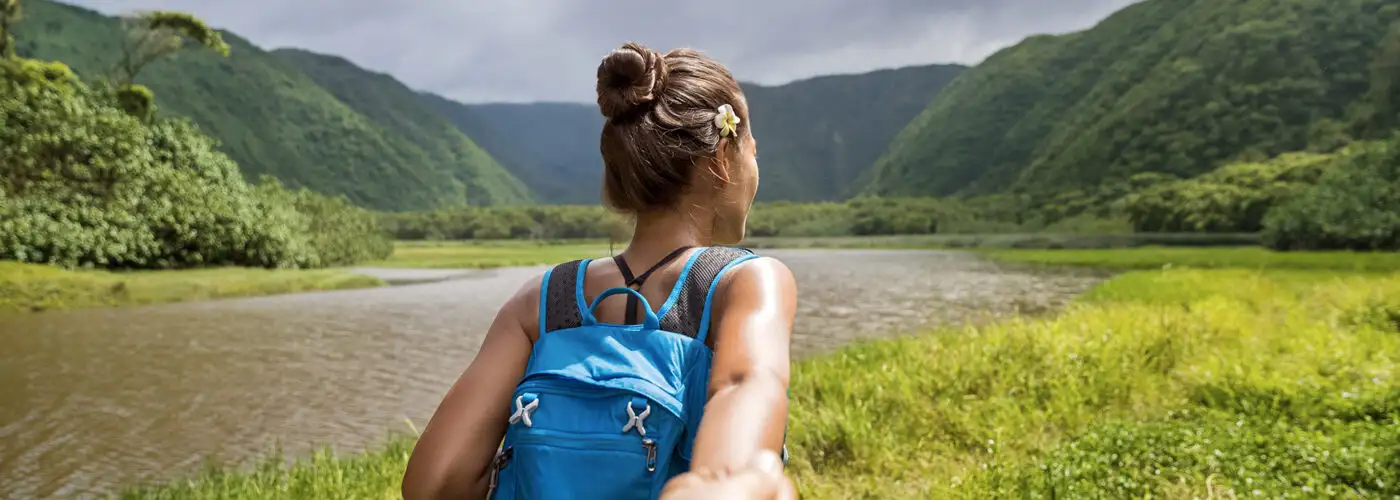
More than 2,000 miles out in the Pacific, the sun-drenched Hawaiian Islands are a world of their own—a true tropical paradise of lush rainforests, tumbling waterfalls, active volcanoes, and mile after blissful mile of palm-fringed sandy beaches. What’s more, Hawaii’s natural beauty is matched by a culture every bit as beautiful and diverse.
Hawaii is one U.S. state, yet has more to see and do than many countries. To start planning your trip to Hawaii, first decide which islands to visit, based on your interests. That will help you determine the best time of year to visit Hawaii, too.
Jump to Sections In This Article:
- The Best Hawaiian Island to Visit
- Which Island Is Best for Adventure, Relaxation, and More
- The Best Time to Visit Hawaii for Good Weather, Avoiding Tourists, and More
- An Overview of Hawaii’s Travel Seasons
- Is There a Bad Time to Visit Hawaii?
- Hawaii Weather Summary by Month
- Popular Events in Hawaii
- The Cheapest Time to Fly to Hawaii
- The Most Expensive Time to Fly to Hawaii
- Info for Flying into Hawaii
- Hotel Prices in Hawaii
- What to Know Before Traveling to Hawaii
The Best Hawaiian Island to Visit
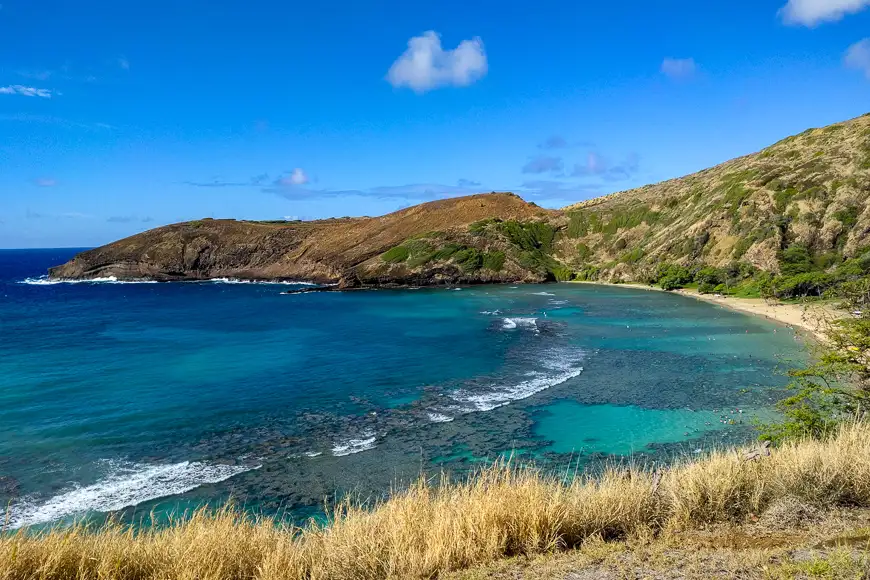
Even the names of the Hawaiian Islands are full of promise: Oahu, Maui, Hawaii (commonly referred to as “the Big Island”), Kauai, Molokai, Lanai, Niihau, and Kahoolawe.
While these seven islands (and several smaller islets) are all part of the state of Hawaii, most visitor attractions and services are concentrated on the four largest islands: Oahu, Maui, Kauai, and the Big Island. All four will charm you with their white sandy beaches, tropical temperatures, and welcoming aloha spirit. Each island has its own distinct personality and attractions, too, so read on to find the best Hawaiian island for you.
Oahu
Most visitors to Hawaii arrive on Oahu, home to Honolulu and nearly three-quarters of the state’s population. Honolulu puts a vibrant tropical twist on urban attractions like high-end shopping, celebrity-chef dining, trendy nightclubs, performing arts, and multi-cultural museums and galleries. The city also encompasses the famed waterfront resort area of Waikiki Beach at the base of Diamond Head, and the World War II Pearl Harbor memorial. (Here’s our list of the 10 best things to do in Honolulu.) Beyond the city, Oahu’s tropical island persona reemerges, a landscape of vast pineapple plantations, fertile mountains, farms and ranches, mountain ranges spiked with ancient volcanoes, dozens of white-sand beaches, and the legendary surf breaks of the North Shore.
Maui
Hawaii’s second-largest island, Maui is also the second most popular Hawaiian island for tourism. Myriad resorts front long strands of sandy tropical beaches, interspersed with villages like Kihei and Lahaina that offer guests plenty of free-spirited nightlife and dining choices. Maui is active and outdoorsy, with world-class conditions for watersports like windsurfing, kiteboarding, and surfing, plus ample championship golf courses. Sporty visitors explore its natural beauty by hiking along the crater at Haleakala National Park, descending into the lush Iao Valley, snorkeling with sea turtles, and discovering the tangled forests along the twisting road to Hana. Maui’s best athletes are undoubtedly the humpback whales that winter in the warm waters off the island’s west coast, breaching and slapping their tails to the delight of spectators on whale-watching excursion boats.
Kauai
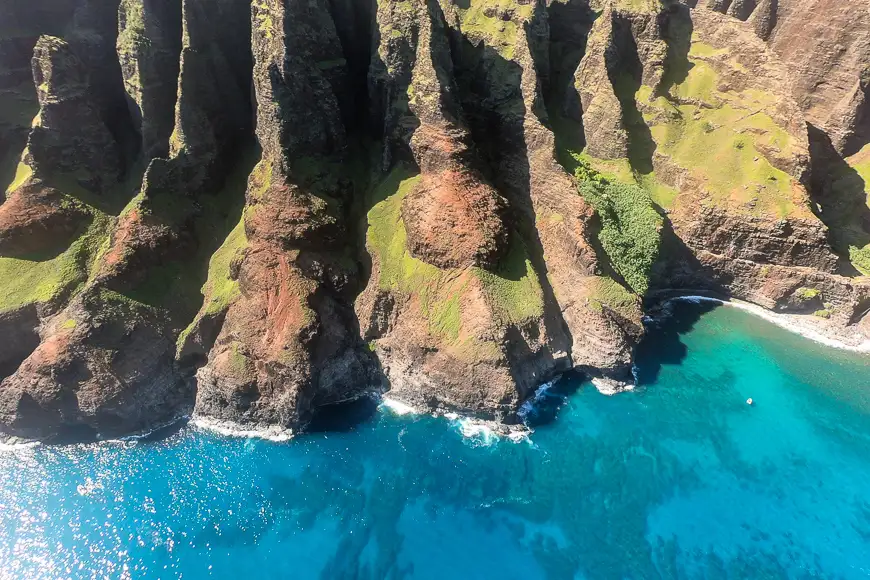
Dubbed the “Garden Isle,” Kauai is certainly lush and green, but it’s definitely not tamed. Majestic sea cliffs rise along the rugged Na Pali Coast, Hawaii’s only navigable river tumbles through 3,600-foot-deep Waimea Canyon, and picture-perfect waterfalls—like the twin cascades of Wailua Falls—pour over rocky ledges amid a tangle of ferns and jungle vines. The least-visited of the four largest Hawaiian islands, Kauai has its share of sandy beaches and rustling palm trees, too, along its east shore known as the Coconut Coast. So iconic is its tropical landscape, Kauai has starred in dozens of films and TV shows, from Fantasy Island to Jurassic Park. The northernmost island in the chain, Kauai’s dramatic, formidable geography is ideal to explore by hiking and paddling, or in the hands of experienced guides on a coastal boat excursion or helicopter tour.
Hawaii (The Big Island)
The Big Island of Hawaii feels grand in every sense. Larger than all the other Hawaiian islands combined, it boasts 11 climate zones. It’s a place so diverse that you could ski down a snowy peak or snorkel along a coral reef, even on the same day. While verdant Hilo, on the east shore, averages more than 125 inches of rain a year, the sunny Kona coast on the west gets less than 20. Formed by fiery volcanoes, the Big Island still rumbles with volcanic activity; Kilauea, in Volcanoes National Park, experienced a large eruption as recently as 2018. Authentic Hawaiian culture looms large here, too, the birthplace of the Kamehameha dynasty. Three national historic parks and several cultural sites help unpack the rich history.
Which Island Is Best for …
Adventure: The Big Island
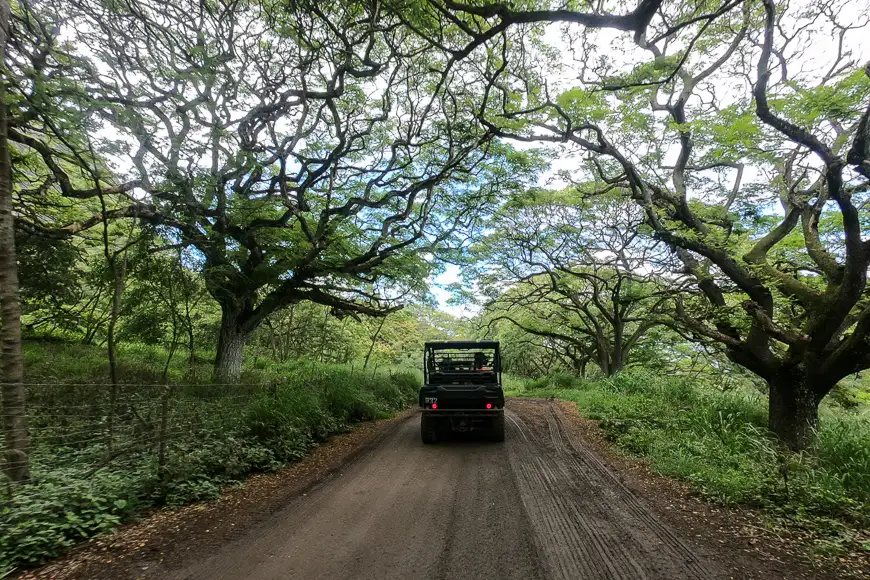
You can find plenty of adventure on any of the Hawaiian islands, but the geographic diversity of the Big Island gives visitors the greatest array of options. You’d need weeks to try out all its activities, which include hiking the lava landscapes of Volcanoes National Park, golfing several championship courses, stargazing atop 13,796-foot Mauna Kea, horseback riding in the “upcountry,” kayaking through coral-rimmed bays, and diving with manta rays.
Relaxation: Maui
With more than 30 miles of sand beaches backed by tony resorts with every imaginable luxury, Maui is a winner for those seeking a kick-back-and-relax vacation. Plus, with more and more direct flights to Maui’s Kahului Airport (OGG), you can fly direct and start slowing down even sooner. Look to West Maui for the most beautiful and sheltered beaches, in resort areas like Kaanapali, Kapalua, and, farther south, Wailea.
Surfing: Oahu
Few surf spots on earth can match Oahu’s North Shore, where winter swells roll into sublime surf breaks like the famed Banzai Pipeline. It’s worth a visit to watch some of the top surfers in the world catching rides on walls of water that have traveled across the Pacific. Surf conditions are safer and more manageable in the summer months at spots like Chun’s Reef, or on the south shore along Waikiki Beach. Both areas have surf schools.
Helicopter Tour: Kauai
With its rugged landscape of cliffs and canyons, much of Kauai is impenetrable on foot or in a vehicle. The island’s natural beauty really comes to life from the air, soaring along the emerald-green Na Pali Coast, past tumultuous waterfalls, rocky cliffs, and hidden coves. Schedule your flight early in your trip; weather often requires rescheduling. Several tour companies depart from Lihue.
Whale Watching: Maui
Although several species of whales live year-round in Hawaii’s deeper waters, the lively humpback whales that migrate here each winter put on the best show. They seem to favor the shallow, protected waters off the west coast of Maui—particularly the Auau Channel between Maui and Lanai. You can often spot humpbacks from shore, but you’ll get better views on a whale-watching excursion. Several depart from Lahaina Harbor.
Partying: Oahu
Honolulu is the hands-down top destination for nightlife in Hawaii. You’ll find everything from fun, kitschy tiki bars serving boozy umbrella drinks to sophisticated nightclubs with thumping dance floors. There’s a good selection of spots in Waikiki Beach near Ala Moana. Outdoor bars get lively right after work, a time for relaxation and socialization known as pau hana. Nightclubs kick into action around 9:00 or 10:00 p.m.
The Best Time to Visit Hawaii
Hawaii enjoys dreamy tropical weather all year long. There’s no single best month to go to Hawaii, and there’s no single worst month to go to Hawaii, either. The Hawaiian Islands are a diverse, year-round destination, so you can plan your trip around your schedule, budget, and interests.
Best Time for Good Weather
Hawaii has essentially two seasons. The summer, which runs from May to October, is warm and humid, with generally calmer waters. The winter months of November to April are a little cooler and definitely wetter, with bigger surf. The leeward (west and south) sides of the islands tend to be drier and sunnier than the lush windward sides.
Best Time for Avoiding Hurricanes
Hawaii’s hurricane season officially runs from June to November, and peaks in July and August. Although hurricanes in Hawaii are relatively rare, tropical storms can cause flooding and damage. Consider purchasing travel insurance, especially if it seems like a particularly active Hawaii hurricane season.
Best Time for Avoiding Tourists
You’ll find fewer crowds in Hawaii’s shoulder seasons between winter and summer. In spring, May is the best month to avoid crowds. Just be sure to avoid Golden Week, a popular Japanese holiday that falls in late April or early May. In fall, November is the quietest month for tourism, with the exception of Thanksgiving week. September and October are also good months to visit with fewer tourists.
Best Time for Skiing
Yep, you read that right: On the Big Island, the snow on Mauna Kea (which translates to “white mountain”) sometimes gets deep enough for skiing and snowboarding, most reliably in February and March. But don’t count on it—and know that there’s sharp lava rock under that variable snow base. Mauna Kea has no lifts, so skiers need to hike or shuttle a vehicle up the mountain road.
Best Time for a Wedding
April through October is the best time for a destination wedding in Hawaii. This is Hawaii’s dry summer season, so there’s less chance of rain. Statistically, June is the driest and sunniest month. The shoulder months of April, May, September, and October will have less expensive rates than the height of summer.
Best Time for Surfing
To experience the best of Hawaii’s endless summer, experienced surfers should plan to visit Hawaii in the winter. November, December, and January are the months with the biggest and best waves, particularly on the famous North Shore of Oahu. The north and west shores of Maui also get big waves in winter months. Less experienced surfers should stick to the south sides of the islands in winter months, or come in summer, when waves are more suitable for beginners.
Best Time for Seeing Whales
Humpbacks whales are no fools—they head south to Hawaii for the winter. Thousands of humpbacks migrate to Hawaiian waters each year from Alaska, typically arriving in December and staying through April. Peak whale-watching season in Hawaii is February through March, after calves are born. It is possible to see other species of whales in the summer months, although these year-round residents tend to stick to deeper offshore waters.
Best Time for a Honeymoon
The honest answer? It depends. If sunny, dry weather is most important, visit in June, July, and August. If you’re on a budget—or looking for a bargain on a five-star splurge—the best deals on hotels tend to be in April, September, October, and November. If you have your heart set on a specific activity, like seeing whales or learning to surf, let that be your guide.
Best Time for Active Lava Flow
One of the most active volcanoes on earth, Kilauea demonstrated its fury in September 2018 with a massive eruption that reshaped portions of Hawaii Volcanoes National Park. As a result, its famous red-hot oozing lava flows are no longer present (or at least visible). Yet this Big Island park remains a fascinating place to visit, with hikes and scenic drives that dramatically demonstrate the power of nature.
Best Time for a Helicopter Tour
A Hawaii helicopter sightseeing trip demands clear and calm conditions, so summer (especially June through September) gives you the best odds for good flying weather. To hedge your bets, book a helicopter tour early in your trip; if there’s a cancellation due to weather, you’ll have time to rebook for another day.
Travel Seasons of Hawaii
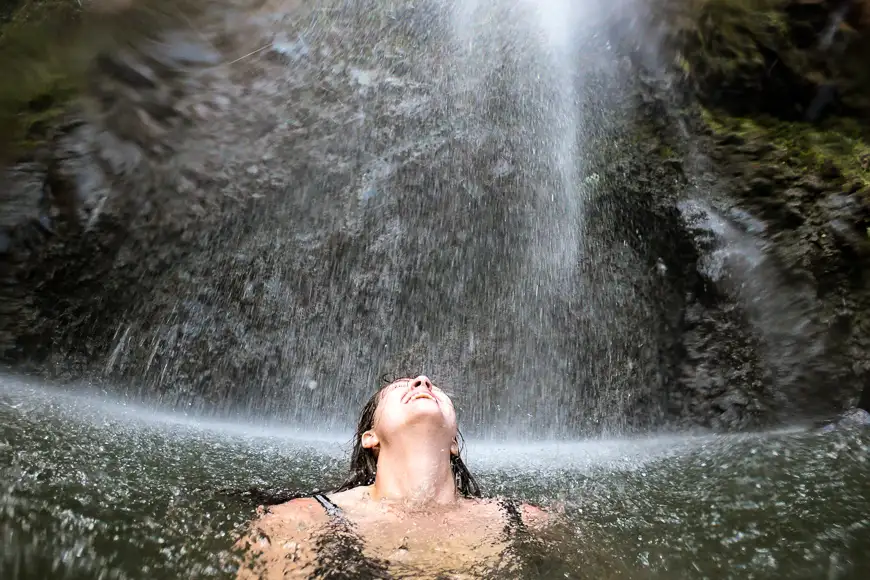
The best time to travel to Hawaii depends on what’s most important to you: learning to surf? Seeing whales? Finding room deals? Avoiding crowds? Hawaii’s weather patterns and peak travel seasons are different than the rest of the U.S., so keep the following in mind when planning your Hawaii vacation.
High Season
Hawaii has two peak travel seasons. In winter, from mid-December to mid-April, visitors come seeking Hawaii’s sunny beaches and tropical temperatures. It’s especially busy over Christmas, New Year’s, spring break (mid-March), and Easter. In summer, high season returns when kids get out of school, from mid-June to mid-August. July is the busiest month in summer, especially over the Fourth of July holiday.
Off Season
Low season in Hawaii is spring, when winter ends on the mainland, and fall, when kids go back to school. The months of May and October are a sweet spot in Hawaii, with nice weather and some of the best discounted rates of the year.
Dry Season
Hawaii’s driest months are in summer, especially from May through September. That makes summer a particularly good time to explore higher-elevation “upcountry” areas and the lush windward (north and east) sides of the islands that typically get the most rain.
Wet Season
November, December, and January are the rainy season in Hawaii. Moisture comes in on the trade winds and creates Hawaii’s lush, tropical environment. However, rains are very localized, falling in the mountains and on the windward (north and east) sides of the islands. If it’s raining where you are, you’re likely to find drier conditions on the south and west coastlines.
Summer Season
Hawaii’s summer (kau) begins in May and runs through October. Weather is perfect—warm and sunny, with pleasant trade winds. The islands get busier when kids get out of school and get quieter again in early September, after Labor Day Weekend.
Winter Season
Hawaii’s winter (hooilo) runs from November to April. Temperatures are about 8 to 10 degrees cooler than summer. Rainfall, although often very localized and short-lived, increases. Waves increase, too, to the delight of surfers.
Holiday Season
The Christmas and New Year’s holidays in Hawaii are a busy and festive time. Book early to enjoy Christmas cheer with a Polynesian twist, where blooming poinsettias grow as tall as trees, Santa wears board shorts, and Christmas carols get strummed on ukuleles and slack-key guitars.
Is There a Bad Time to Visit Hawaii?
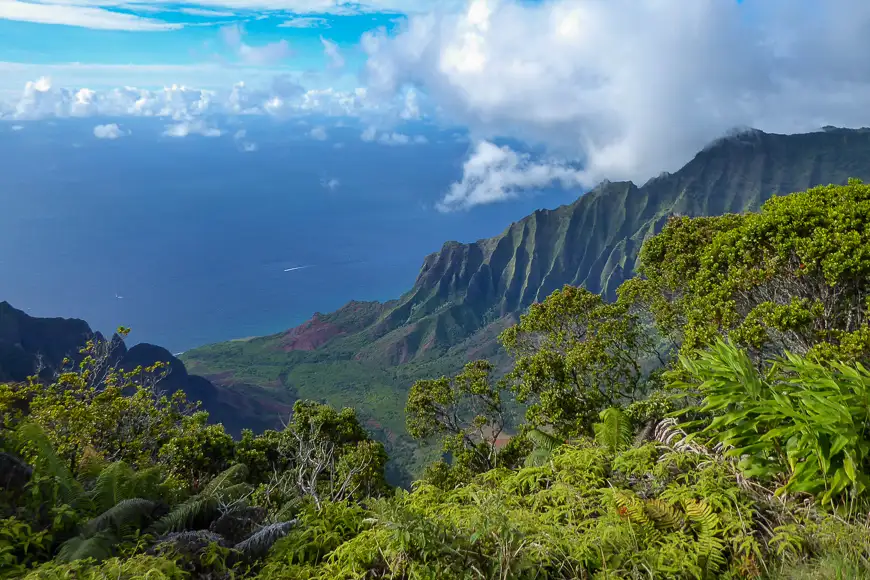
No! is the easy answer. Hawaii is a true tropical paradise, with warm weather and average daytime temperatures in the 70s and 80s year-round. Even in the coldest months of December and January, you’ll find temperatures at the beach in the mid-70s. Winter months bring more rain, and temperatures can be cold (or even snowy) at higher elevations. But Hawaii is a land of micro-climates, with weather varying greatly from place to place on any given island. If conditions are unpleasant where you are, travel to a lower elevation, or head for the drier leeward coastlines on the west and south sides of the islands.
Besides weather, the other seasons to consider when planning a trip to Hawaii are high and low tourism seasons. Hawaii’s busiest travel seasons occur twice a year: from December through March, when snowbirds are escaping cold weather, and again in summer, from mid-June to early September, when kids are out of school and families take their summer vacations. If you plan to visit during high season in Hawaii, book flights and hotels early, expect higher rates, and visit popular attractions early in the day.
Hawaii Weather by Month
Thanks to its proximity to the Equator, Hawaii is warm and tropical year-round. Visitors will discover comfortable temperatures in the 70s and 80s, blooming flowers, and waters warm enough for swimming and sports every month of the year. Hawaii has two seasons, winter and summer. While the temperatures don’t vary that much, the winter months (November to April) have more rain. Winter rains generally don’t disrupt vacation plans, since rains tend to be short-lived and are very localized. If it’s raining where you are in Hawaii, chances are you can find sun somewhere else along the coast.
Hawaii Weather in January
Even though it is statistically one of Hawaii’s coldest and wettest months, January is still warm and tropical in Hawaii, with temperatures averaging in the 70s. Hawaii’s winter weather is a heck of a lot nicer than most places, so January is a busy month for tourism in Hawaii.
Hawaii Weather in February
February is Hawaii’s coldest winter month. It’s nothing a light sweater can’t handle: Daytime temperatures can dip into the 60s, but average highs are in the 70s. It’s still the rainy season, although rains are often localized and short-lived. The highest peaks have snow. High season is in full swing, especially busy around Valentine’s Day and President’s Day Weekend (third Monday).
Hawaii Weather in March
Spring break is one of the most popular times to visit Hawaii. The rainy season is tapering off, and the weather is often clear and sunny. It’s peak season for whale watching, and the humpback whales often have young calves in tow.
Hawaii Weather in April
Hawaii’s rainy season ends, with more sunshine on the rainy leeward side of the islands. With the arrival of spring, the busy winter tourism season ends after Easter, too.
Hawaii Weather in May
May brings rising temperatures in the 80s and reliably sunny days. With winter storms over, calmer waters bring nice springtime beach weather. Crowds are thin, so lodging rates and airfares are lower.
Hawaii Weather in June
Hawaii has ideal weather in June. There’s plenty of summer sunshine, since June is the month with the least rainfall. Temperatures are balmy, averaging in the mid-80s during the day and 70s at night. Rates are still off-peak until mid-month, when families begin taking summer vacations.
Hawaii Weather in July
Weather is warm and sunny, and ocean temperatures are warmer. Family summer vacations are in full swing, making July one of Hawaii’s busiest months. Book early and expect higher prices.
Hawaii Weather in August
Warm and sunny summer weather continues throughout the Hawaiian Islands. Water and air temperatures are in the upper 70s and low 80s. Although hurricanes are rare in Hawaii, August is the peak month for tropical cyclones in the Pacific.
Hawaii Weather in September
As fall arrives in most of the United States, the weather is still warm and sunny in Hawaii. Hawaiian waters are warmest in September, ideal for swimming, snorkeling, and other watersports. Summer vacation tourism decreases after Labor Day.
Hawaii Weather in October
Although the chance of rain begins to increase, especially on the windward sides of the islands, fall weather in Hawaii remains mostly sunny and warm. It is a month of transition, with growing ocean swell and more storms in higher elevations.
Hawaii Weather in November
Winter in Hawaii begins in November, bringing cooler temperatures and more rain. Winter also brings bigger waves, conditions that draw surfers, windsurfers, and kiteboarders from all over the world. Hurricane season officially ends on November 30.
Hawaii Weather in December
December is the rainiest month for most of the Hawaiian Islands. (The Big Island gets the most rain in January.) There are still many sunny days on the drier leeward sides of the islands. Pack a raincoat but leave the winter coats at home—temperatures remain in the 70s.
Events in Hawaii by Month
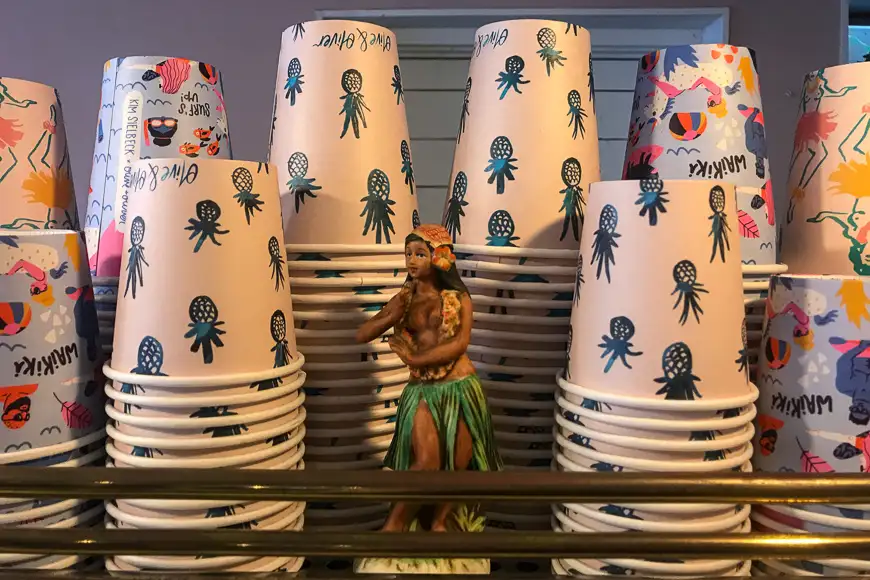
Hawaii hosts dozens of festivals and events throughout the year. It also celebrates all United States federal holidays, as well as three state holidays: Prince Kuhio Day on March 26, King Kamehameha Day on June 11, and Hawaii Admission Day on August 16. Festivals and holidays can lead to some unexpected crowds and closures, but the colorful Hawaiian traditions and celebratory spirit on display may well be the most memorable experiences of your trip.
Events in January
Narcissus Festival, Oahu: Honolulu’s Chinatown hosts lion and dragon dances, food, craft booths, and dazzling fireworks to welcome the Chinese New Year.
Sentry Tournament of Champions, Maui: The Kapalua Resort draws top pro golfers to this calendar-year opening tournament on the Professional Golf Association tour.
Events in February
Maui Whale Festival, Maui: Music, food tents, and a kids’ “eco-day conference” call attention to the migrating humpbacks that winter in Hawaiian waters.
Panaewa Rodeo Stampede, Big Island: Bull-riding, barrel racing, calf-roping, and other competitions show off the skills of the Hawaiian cowboy, or paniolo.
Events in March
Kona Brewers Festival, Big Island: Plenty of craft beers, island cuisine, and a home-brewer competition come together to raise money for Big Island nonprofits.
Honolulu Festival, Oahu: Traditional art, dance, food, and a spectacular parade celebrate ethnic harmony among the people of Hawaii and the Pacific Rim.
Events in April
Merrie Monarch Festival, Big Island: Considered the “Olympics of Hula,” the week-long celebration features competitions, music shows, parades, and more.
Waikiki Spam Jam, Oahu: Hawaii’s favorite canned meat stars in an array of creative dishes at this block party of food tents, crafts, and music.
Events in May
Lei Day, all islands: Hawaii’s iconic flower garlands abound on May 1, along with lei-making contests and other activities. The largest Lei Day event takes place in Waikiki Beach at Kapiolani Park.
Lantern Floating Ceremony, Oahu: Thousands of paper lanterns are illuminated and set afloat at sunset on Memorial Day, honoring those lost in service to their country.
Events in June
King Kamehameha Day, all islands: Lei-draping ceremonies, floral parades, and hula festivals honor the iconic Hawaiian leader on June 11.
Pan Pacific Festival, Oahu: Pageantry, culture, arts, and food from countries across the Pacific region come together in this colorful three-day event, with stage performances and a large parade.
Events in July
Ukulele Festival Hawaii, Oahu: Guest performers and a ukulele orchestra of more than 800 children take the stage at this melodious free event.
Koloa Plantation Days, Kauai: Hawaii’s sugar industry is celebrated with music, dance, culinary demonstrations, and a paniolo (Hawaiian cowboy) rodeo weekend.
Prince Lot Hula Festival, Oahu: Hawaii’s largest non-competitive hula event, showcasing both traditional and modern styles, is held at the royal Iolani Palace.
Events in August
Made in Hawaii Festival, Oahu: Thousands attend this annual shopping extravaganza in Honolulu, Hawaii’s largest and most diverse marketplace of island-made products.
Na Pali Race, Kauai: Elite paddlers race 17 miles along the Na Pali Coast, with proceeds supporting the natural and cultural resources of the coastline.
Events in September
Aloha Festivals, all islands: A floral parade in Waikiki is the star event of this statewide celebration honoring the diverse customs and traditions of Hawaii.
Taste of the Hawaiian Range, Big Island: This agriculture festival in Waimea is focused on sharing food and knowledge of local farms and ranches, with workshops and an evening “taste gala.”
Events in October
Ironman World Championship, Big Island: Athletes from around the world compete in triathlon’s most famous suffer-fest, a grueling swim, bike race, and marathon on the Big Island.
Coconut Festival, Kauai: Foods, crafts, games, and cooking demonstrations and contests celebrate all aspects of this enduring Polynesian food staple.
Hawaii Food and Wine Festival, Oahu and Maui: An array of tastings, seminars, dinners, and parties feature master chefs and culinary personalities.
Events in November
Vans Triple Crown of Surfing, Oahu: The world’s top-ranked surfers take on the famed surf breaks of Oahu’s North Shore in a trio of prestigious surf competitions to name the year’s all-around champion. It continues into December.
Kona Coffee Cultural Festival, Big Island: Tastings, competitions, and coffee farm tours highlight a 10-day celebration of the Big Island’s world-renowned beverage.
Hawaii International Film Festival, all islands: The premier showcase for emerging works from the Pacific Rim begins in Honolulu, then moves to the Big Island, Kauai, and Maui later in the month.
Events in December
Kauai Festival of Lights, Kauai: Thousands of lights and decorations made from recycled and reclaimed materials kick off the holiday season at Lihue’s Historic County Building.
Pearl Harbor Remembrance Day, Oahu: Ceremonial activities include a “Missing Man” flyover, Marine Corps Pacific Band performance, and peace symposium.
Cheapest Month to Fly to Hawaii
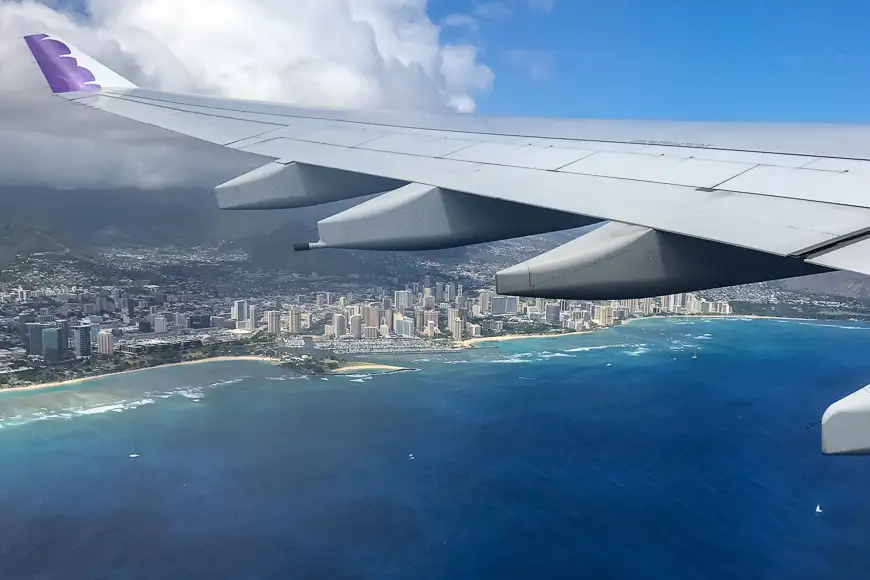
Traditionally, travelers can find the lowest fares to Hawaii in the low season months of April, May, September, and October. But it’s wise to monitor fare-watch apps like Hopper, and search sites like CheapAir.com and SmarterTravel sister site Airfarewatchdog.com. Sometimes, surprising values pop up, such as good deals in January right after the holiday season. Most apps let you put in alerts (push notifications) for fare sales. The more flexibility you have with your travel dates, the better deals you’re likely to nab.
You’ll typically find the best fares flying into Honolulu (HNL); but if you’re visiting other Hawaiian Islands, also check fares for airports on Maui (OGG), the Big Island (KOA), and Kauai (LIH).
Most Expensive Months to Fly to Hawaii
The Thanksgiving, Christmas, and New Year’s holidays are always popular times to visit Hawaii, so expect fares to be higher and seats to sell out. Book as early as possible for holiday seasons, especially if you’ll be flying on the weekend. Late June and July is another busy—and therefore, expensive—time.
Flying into Hawaii
Honolulu International Airport (HNL) is the gateway to Hawaii for the majority of U.S. and international travelers.
You can fly direct to Honolulu from more than 30 cities across North America, Asia, and Australia. Most major U.S. airlines, including American, Delta, Southwest, and United, offer nonstop service from North America. A growing number of discount airlines serve HNL, too, including Allegiant and WestJet. The Bus, operated by the City and County of Honolulu, offers convenient and inexpensive transportation between Honolulu International Airport and several downtown locations.
Travelers from the mainland can also fly direct to Maui (OGG), the Big Island (KOA), and Kauai (LIH) on regional carriers like Alaska Airlines and Hawaiian Airlines. Most of these nonstop flights originate from West Coast cities like Anchorage, Vancouver, Seattle, San Francisco, and Los Angeles, as well as Denver and Phoenix.
If you’re planning to visit more than one Hawaiian island on your vacation, Hawaiian Airlines, Mokulele Airlines, and others offer frequent inter-island flights. Learn more about Hawaii air connections here.
Hotel Prices in Hawaii
Similar to airfares, hotel prices are highest during the busy Thanksgiving, Christmas, and New Year’s holidays. Try to book three months out or more for the holidays, since many hotels sell out. June, July, and August—popular family vacation months—also are more expensive than other times of the year. The cheapest times to book a room in Hawaii are May and late October/early November. Oahu has cheaper average rates year-round than the other islands, probably because of the sheer volume of rooms. Maui is the most expensive island for lodging.
Things to Know Before Visiting Hawaii
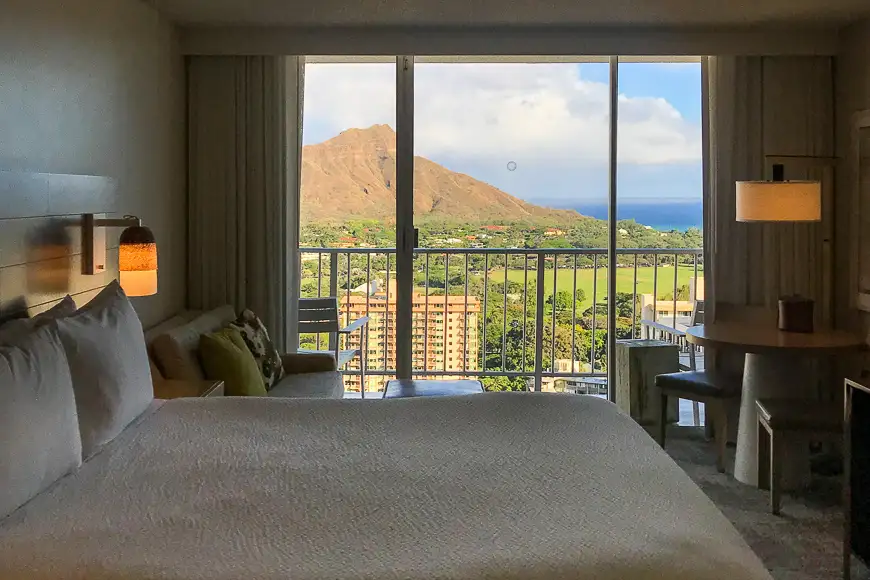
Hawaii may be part of the United States, but in many ways, it feels like its own country. The Hawaiian Islands proudly maintain their own unique history, culture, customs, food, and language. Take a little time to learn the local ways and you’ll enjoy a richer, more rewarding vacation. The spirit of aloha is more than a greeting; it is a spirit of kindness, virtue, and tolerance that has enabled islanders from a wide range of backgrounds to come together and live peaceably side by side for generations.
To practice the aloha spirit, it helps to do a little reading on important things to know before visiting Hawaii, and consider the following tips.
Embrace island time: Island time is a change of mindset. Perhaps it comes from living on a remote island, where residents learned long ago that they can’t always have what they want right away. Accept that things may not happen as precisely as they do at home. Leave impatience and stress at home—you’re on vacation, after all.
Taste local flavors: Take advantage of the opportunity to try Hawaiian foods, such as fresh pineapple, mango, and other fruits; macadamia nuts; haupia, a coconut-flavored pudding; shave ice, a frozen treat; poke, diced marinated raw fish; and kalua, roast pig. Ubiquitous food trucks often serve authentic local dishes as part of a “plate lunch.” Farmers’ markets are a great source of local ingredients and a good value over expensive restaurants.
Be sensitive to the environment: Do your part to tread lightly on the land while visiting Hawaii. Don’t pick flowers or collect live shells from the beach. Avoid single-use, disposable plastic products. Stay on marked trails when hiking. Don’t touch or stand on coral—you may get a nasty infection, kill the coral, or both. Use only eco-friendly sunscreens free of oxybenzone and octinoxate, which harm coral reefs. When choosing outfitters and tour guides, look for tour operators certified by the Sustainable Tourism Association of Hawaii—and let them know that’s why you selected them.
Be sensitive to locals: Use native-owned and locally owned companies when possible for tours and excursions. Respect the informal rules of “locals-only” surf spots and neighborhood beaches. There’s plenty of shoreline to go around.
Be safe: Hawaii’s natural beauty is magnificent—but can be dangerous to those unaccustomed to it. Be careful on hiking trails, which can be slippery and often pass near sharp drop-offs masked by dense vegetation. Pacific beaches can have powerful waves, rip currents, and strong undertow. Heed warnings and don’t swim alone. Violent crime in Hawaii is rare, but vehicle break-ins are relatively common. Never leave anything of value in a car, even out of sight in the trunk.
More from SmarterTravel:
- What to Wear in Hawaii
- 9 Best Cheap Hotels in Hawaii
- 10 Great Places to Try Hawaiian Food in Honolulu
[viator_tour destination=”278″ type=”3-mod”]
Tina Lassen writes about travel, outdoor recreation and the natural world, and is currently working on a guidebook about North American wildlife watching. Find her at tinalassen.com and @writerlassen.
We hand-pick everything we recommend and select items through testing and reviews. Some products are sent to us free of charge with no incentive to offer a favorable review. We offer our unbiased opinions and do not accept compensation to review products. All items are in stock and prices are accurate at the time of publication. If you buy something through our links, we may earn a commission.
Top Fares From



Today's Top Travel Deals
Brought to you by ShermansTravel
France: 8-Night Paris, Avignon & Nice...
Infinity Worldwide Vacations
 vacation
$2880+
vacation
$2880+
Poconos: 3 Nts in Garden of...
ResortsAndLodges.com
 hotel
$305+
hotel
$305+
7-Nt Canada & New England Cruise,...
Princess Cruises
 cruise
$839+
cruise
$839+