You’d never go to a job interview and greet your prospective employer with a fist bump, so why would you offer up a handshake when traveling abroad? From sticking out your tongue to pressing noses together to breathing on someone way up close, there’s more than one way to say hello around the world. Here are seven of the most unusual greetings from other cultures.
Image Gallery

Stick Out Your Tongue in Tibet
You may think you've offended someone if they stick out their tongue at you in Tibet, but that's not the case. Here, it's a traditional greeting. The practice reportedly dates back to the 9th century, when Lang Darma, an unpopular king with a black tongue, ruled. After Darma died, many people believed that he had been reborn, so they would stick out their tongues to prove that they weren't the king in a new form.
Stick Out Your Tongue in Tibet
You may think you've offended someone if they stick out their tongue at you in Tibet, but that's not the case. Here, it's a traditional greeting. The practice reportedly dates back to the 9th century, when Lang Darma, an unpopular king with a black tongue, ruled. After Darma died, many people believed that he had been reborn, so they would stick out their tongues to prove that they weren't the king in a new form.
Hongi in New Zealand
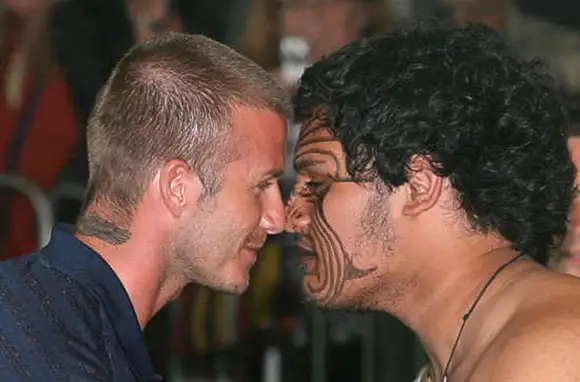
We wouldn't recommend giving a hongi to a bartender or store clerk in New Zealand, but for the Maori people and at major ceremonies, it's the equivalent of a handshake. To perform the gesture, two people press their noses and foreheads together (simultaneously) as a way to exchange the "breath of life."

Kunik in Greenland
A kunik is more of an intimate greeting, so don't use it with strangers or people that you just met. Save this one for family members, as you'll have to get close … very close. You'll need to press your nose and upper lip against the person you're greeting—and then breathe on them.

Bow in Japan
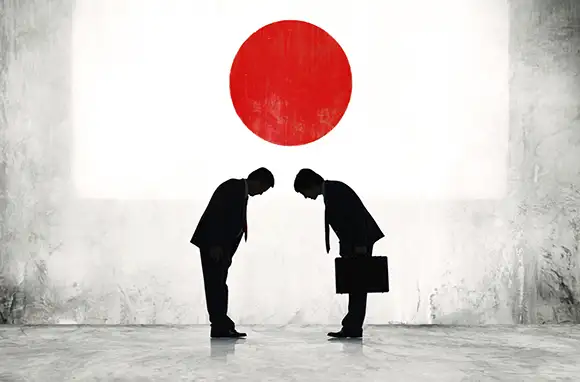
Bowing can mean many different things in Japan, one of which is a greeting. Be careful about the type of bow you perform—there's a bow for business (the keirei) and a different bow for apologies or to show gratitude (the saikeirei). As a general rule, the person bowing is showing respect to the person receiving the bow. The Japanese National Tourism Organization has a good guide to bowing.

Triple Kiss in Ukraine
Don't pull away too soon from a cheek kiss in the Ukraine—a typical greeting here involves three kisses. Start on the left cheek, then the right, and then end back on the left. Germophobes: Air kisses are fine as well.
Mano in the Philippines
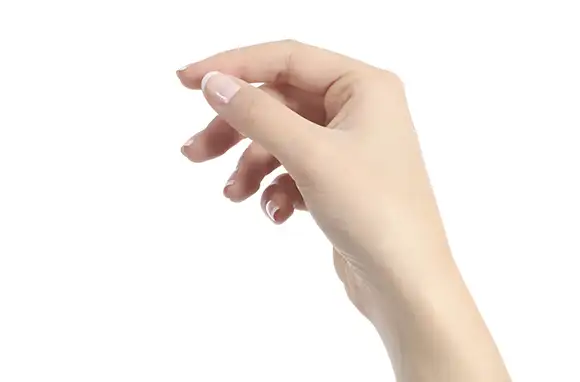
Greeting someone older than you in the Philippines? You should bow and press your forehead against his or her knuckles. You can say "Mano po" before doing the gesture, if you want to be extra respectful—this means "Your hands please."

Double Air Kiss in France
Not to be confused with a French kiss (unless you want to get really friendly with the other person), this style of greeting is called la bise. Lay a kiss on alternate cheeks as a hello or a good-bye.
You Might Also Like:
We hand-pick everything we recommend and select items through testing and reviews. Some products are sent to us free of charge with no incentive to offer a favorable review. We offer our unbiased opinions and do not accept compensation to review products. All items are in stock and prices are accurate at the time of publication. If you buy something through our links, we may earn a commission.
Top Fares From



Today's Top Travel Deals
Brought to you by ShermansTravel
12-Night Peru Escorted Tour, Incl. Sacred...
Wingbuddy
 vacation
$2198+
vacation
$2198+
Amsterdam to Copenhagen: Luxe, 18-Night Northern...
Regent Seven Seas Cruises
 cruise
$12399+
cruise
$12399+
Ohio: Daily Car Rentals from Cincinnati
85OFF.com
 Car Rental
$19+
Car Rental
$19+