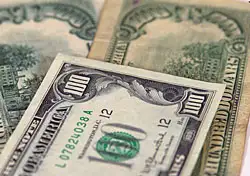
While Europe has never been the cheapest place for North Americans to visit, there have long been affordable ways to see the Continent. But with the dollar recently hitting an all-time low against the euro and British pounds trading at nearly $2 each, Europe looks like a budget traveler’s worst nightmare. It doesn’t have to be.
Don’t let the falling dollar bring you down. Use this guide to help you save on everything from airfare to currency exchanges. Scroll down or click on one of these links to jump to your desired topic:
Getting there
Getting around
Money, food, and entertainment
Getting there
Where to go
While some of Europe’s most popular destinations are also among its priciest, saving strategies can help contain your costs, even in these top-euro places. For example, in London—frequently ranked the most expensive city in Europe—SmarterTravel.com’s Molly Feltner found a pension-style hotel with comfort and privacy for under £50 per night. During the day, she toured London’s museums, many of which have free admission. Prefer to go Dutch? Read associate editor Erica Silverstein’s advice on budget travel to Amsterdam. Outside of Europe’s most well-traveled routes, you’re apt to find even more bargains.
Europe travel expert Rick Steves advises us to “travel faster in the more expensive north and hang out in the cheaper southern and eastern countries.” In the sunny south(west) lies Portugal, which SmarterTravel.com’s Anne Banas escaped to for under $500, including flight and hotel. And while the European Union’s eastward expansion threatens its 10 new nations’ status as budget travel meccas, none of the new countries has adopted the euro yet, and prices continue to lag behind those in the West.
When to go
Summer is the high season for most European destinations. During this time, when accommodations are scarce and airfare is at its peak, you’re likely to pay maximum prices. The most attractive rates will require a hardy spirit and warm clothing, as they tend to be in the dark of winter. That said, Europe doesn’t shut down in its low season, and you’ll avoid the crowds in most spots. Savvy travelers often split the difference and head across the pond during the shoulder seasons—the late spring and early fall—when the weather’s pleasant and the prices are reasonable.
When to book
Once you’ve decided when to go, how do you know when to make your reservations for the best deal? Writing in his Gemutlichteit Europe Travel Alert, Bob Bastor recommends booking airfare as early as possible for the best prices and dates of travel, if you want to travel during the high season. He specifically warns against waiting for a sale that might never come, so buying your summer travel sooner is the safer bet. If you decide to go at another time of year, booking later may actually help you net a good deal. Read more about when to book from SmarterTravel.com’s Jessica Labrencis.
Vacations
In general, one of the most effective ways to save on your overall travel costs is by purchasing your airfare and accommodations as one package. As Joe Dugan of EuropeASAP notes, buying a bundled vacation may be even more cost-effective in 2005, since some vacation providers (e.g. EuropeASAP) are offering their packages at 2004 prices. This is potentially excellent news for travelers, as agencies are paying more for everything they buy in Europe, but not passing the extra costs on to customers.
If you do decide to book a package, the specifics of the deal will also play a key role in how much you save. If a full breakfast is included, that will mean one less meal per day to buy out-of-pocket. On the flip side, as USA Today‘s Laura Bly points out, some providers may have currency surcharges that you’ll have to pay if the exchange rate worsens. Make sure to look at the fine print for both benefits and warning signs before you buy.
See SmarterTravel.com’s Vacation section for the latest offers, or read our Western Europe vacation booking guide to learn how to find the best deals.
Hotels and more
If you’d rather arrange your own accommodations in Europe, it’s not necessary to spend a fortune on luxury lodging. In fact, there are a number of choices, including B&Bs, dormitories, farm stays, pensions, and vacation rentals. Each of these has its own merits and potential disadvantages. For instance, while vacation rentals can put you and your companions in a Tuscan villa, such a property usually requires a longer stay and will cost more if you’re not sharing it with enough other people. At the other end of the scale, university dormitories may be among the cheapest beds in Europe, but their simplicity (and possible shared bathrooms) aren’t for everybody. Read more about all of these hotel alternatives in Molly Feltner’s article Five options for cutting hotel costs on your Europe vacation.
Getting around
Air travel
Unless you’re very lucky, one of your biggest expenses when traveling to Europe will be airfare. On the bright side, buying your flight on this side of the Atlantic means that you’ll be spending dollars on it. Since much of the rest of your trip will require foreign currency, getting a good deal on airfare will leave more in your pocket for later. If you’ll be traveling extensively within Europe, don’t waste money getting back to where you started just to make a return flight. Instead, it may make sense to buy an open-jaw ticket, which will allow you to fly into one city and then back home from another. Columnist Jill LeGrow discusses open jaws and nine other budget travel tips in her Backpackers’ Europe: The top 10 ways to save.
Even with a weak dollar, air travel within Europe doesn’t have to be prohibitively expensive. In fact, Europe’s air industry has been revolutionized by the proliferation of cheap, no-frills airlines. Just as JetBlue, Southwest, and others are flying high in the U.S., EasyJet, Ryanair, and Virgin Express are making affordable European air travel a reality.
For the latest Europe sale fares, check SmarterTravel.com’s Air section or compare prices with our fare-comparison tool.
Public transportation
As soon as you arrive in Europe, you’ll have to make a significant financial decision—how to get to where you’re staying. Taxis can be the most convenient, with their door-to-door private service. By the same measurement, shuttles can also make the airport transfer simpler. However, both of these options can cost you dearly, depending on how far from the airport your accommodations are. Though it may take more time (and patience) on your part, there’s no doubt that public transportation is the cheapest solution to the airport transport dilemma. And, unlike in the U.S., where public transit is limited outside of big cities, Europe’s network of buses, streetcars, and subways is widespread and affordable. To increase your savings even more, buy a multi-ride pass.
Rail travel
Despite the arrival of low-cost airlines, it’s still easier (and sometimes cheaper) to ride the rails between more European cities and towns. You can save even more by knowing what kind of travel you’re likely to be doing. In some cases, it’s better to buy single point-to-point tickets, particularly for short journeys. In other situations, such as when you want to explore several countries on your trip, buying a rail pass makes more economic sense. Read Molly Feltner’s comparison of these two options and make the right choice for your itinerary.
Bus travel
Just as North American bus lines tend to offer cheaper service than their rail-based competition, Europe’s buses have very low rates for long-distance travel. If you’re willing to trade speed for savings, consider the Busabout pass. As Jill LeGrow writes, “A Busabout pass allows you to create your own itinerary within Busabout’s network, linking 11 countries and 41 individual cities and towns throughout Europe.” And, traveling by bus is a great way to see scenic Europe.
Car rentals
The price of gasoline is typically several times higher in Europe than the U.S., so renting a car can be a very expensive way to see the Continent. However, there are some instances when it may make sense to rent. For example, those on an extended trip (of more than 17 days) might choose a short-term lease with Renault or Peugeot. Durant Imboden of EuropeForVisitors.com notes that this “buyback” arrangement is especially advantageous for younger travelers, as the minimum age is just 18. Renting a car can also be more affordable for groups of four or more, according to Rick Steves. Compare the total train ticket costs of your party with the rental price and likely gas bills to make an educated decision.
For the latest specials on rentals in Europe, check SmarterTravel.com’s Car rental section or compare prices with our fare-comparison tool.
Cruises
Though the Caribbean is probably a more familiar cruising destination, sailing through Europe’s seas and rivers may help protect you from the dollar’s problems. Imbolden points out that cruises offer “the convenience and fixed-price reassurance of a tour without nightly unpacking or long bus rides.”
Check the latest cruise offers in SmarterTravel.com’s Cruise section. Or, search multiple cruise providers at the same time with our fare-comparison tool.
Money, food, and entertainment
Money
With such an unfavorable exchange rate, how you manage your money can make a big difference. Don’t worry about getting travelers’ checks or foreign currency before you leave home. As Nora Brossard, a spokesperson for the European Travel Commission, notes, buying euros in Europe will mean that you get the best rates. Brossard further advises buying “where asking and selling prices are posted, so you can see the profit differential (usually five percent) and know you are not overpaying.” Also, use your debit card to withdraw money from an ATM, but check with your bank to make sure you won’t be charged extra fees for such transactions.
Food
Food costs in Europe can account for a lot of your expenses. If you’re staying at a vacation rental or hostel, make use of the kitchen. Cooking for yourself also means that you’ll get to shop in nearby markets, which can also be a fascinating cultural experience. If you do dine out, steer clear of restaurants near popular attractions or where large groups of tourists congregate. These establishments are frequently overpriced. For cheaper food and a more authentic feel, look for eateries preferred by locals. When there, make sure to ask fellow customers what’s considered a reasonable tip. As Rick Steves points out, tipping percentages are typically much lower in Europe.
Shopping
Another potentially big expense, shopping in Europe can be fun and affordable, though a little effort is necessary. Before your trip starts, make sure you have packed all of the items you’ll need while you’re away. This list might include toiletries, camera supplies, and any other personal items you’ll need to have when traveling. John Lampl, a spokesperson for British Airways, recommends comparison shopping whenever possible, and cautions against buying at the first place you see an item. Also, as with dining out, you’ll find better values if you follow locals on their shopping trips and skip more tourist-oriented vendors.
Entertainment and attractions
From London’s West End theater district to the Coliseum of Rome, there are countless things to see and do in Europe. To keep your travel budget in balance, you can start by taking advantage of what’s free. A great resource for finding museums, cathedrals, and festivals that charge no admission is FreeToDoEurope.net. Of course, many popular sites do have entrance fees, so if you’re planning to visit many places in one city, there are often passes that allow you to pay a flat rate for admission to many top attractions. MuseumPass.com sells such passes to London, Paris, Rome, and more.
Conclusion
Undoubtedly, things will cost more in Europe than the last time you went. But by paying for more of your travel expenses in dollars before you leave, making smart buys on vacation, and using your common sense, you and your bank account will have a great trip.
We hand-pick everything we recommend and select items through testing and reviews. Some products are sent to us free of charge with no incentive to offer a favorable review. We offer our unbiased opinions and do not accept compensation to review products. All items are in stock and prices are accurate at the time of publication. If you buy something through our links, we may earn a commission.
Top Fares From




Today's Top Travel Deals
Brought to you by ShermansTravel
Greenland: Luxe, All-Incl. 11-Nt Exploration Small-Ship...
Swan Hellenic
 cruise
$3289+
cruise
$3289+
Ohio: Daily Car Rentals from Cincinnati
85OFF.com
 Car Rental
$19+
Car Rental
$19+
Shop and Save with Country Inns...
Patricia Magaña
 Hotel & Lodging Deals