
Pre-Trip Home Preparation Checklist

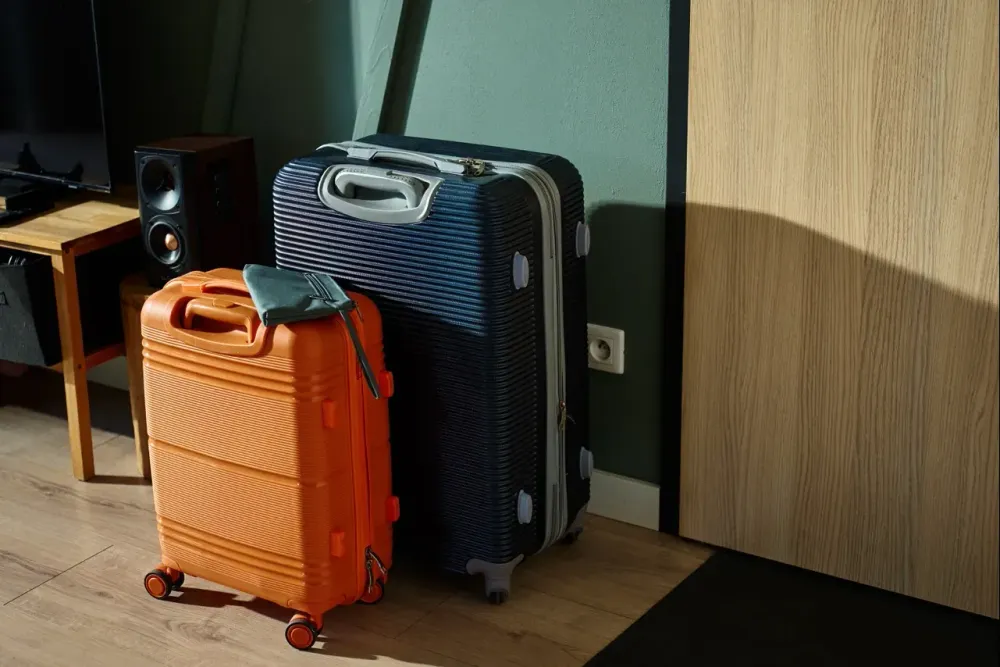
A weekend trip survives on autopilot. Close the blinds, ask a neighbor to grab the mail, done. A three-week trip to Portugal or a month-long stint snowbirding in Florida is a different thing, long enough for your mailbox to become a billboard advertising "nobody's home."
The good news: almost everything on this list takes minutes, not hours, and most of it is free. The bad news: skip the wrong item and you'll find out about it from an insurance adjuster.
Stop Your Mail Before It Stops You
Tell Your Insurance Company, Not Just Your Neighbor
Make Your House Look Occupied, Not Abandoned
Give One Person the Full Picture
Handle the Money Stuff
Don't Let the Living Things Die
Thermostat, Water, and the Freezer Trick
The Last Walkthrough
USPS Hold Mail is free and holds everything, including packages, at your local post office for up to 30 days. Request it online up to 30 days ahead or as little as one day before you leave, and your carrier simply skips your address until the date you choose. A mailbox stuffed with catalogs is basically a flashing sign for anyone casing the block, so this one's non-negotiable for anything longer than a long weekend.
Traveling more than 30 days? Mail forwarding is the move instead, since Hold Mail can't stretch past a month. Set up Informed Delivery too, so you can see what's piling up without having to wonder.
Here's the twist nobody mentions until it's too late. Most standard homeowners policies stop covering a home once it's sat empty for 30 to 60 consecutive days, with 30 being the more common cutoff. Insurers typically charge 50% to 60% more for vacant-home coverage, which sounds brutal until you consider the alternative is paying for a burst pipe entirely out of pocket.
The fix is simple. If you're leaving for a month or longer, or your trip plus a delayed return could push past 30 days, call your insurer and ask what "vacant" means under your specific policy. A house sitter who checks in every few days, or a smart water sensor that texts you the second something goes wrong, can sometimes keep your policy intact without paying extra. Ask before you leave, not after the flood.
Burglars don't want to work for it. They want the house where the porch light's been on since Tuesday afternoon and the lawn's three weeks overdue. A $15 smart plug on a random timer beats a single light left burning around the clock, since nothing says "empty house" quite like a lamp that's identically lit at 3 p.m. and 3 a.m.
A few more moves that cost nothing and take five minutes:
Ask a neighbor to pull any flyers off the door and toss your trash cans out on collection day. Pause the newspaper if you're one of the few people who still gets one. And skip the vacation photos on social media until you're home. Posting "Day 3 in Lisbon!" to a public account is a public announcement that your house is sitting empty, no matter how good the sunset shot is.
Pick one trusted person, a neighbor, relative, or close friend, and hand them your travel dates, alarm code, where the spare key lives, and a number where you're reachable. Write it down. A shared note or a sheet left on the counter works fine. If your trip crosses a holiday or a known storm season, mention that explicitly, since a key holder who knows a hurricane's possible is a lot more useful than one who finds out from the news.
The old advice to call your bank before an international trip is mostly outdated. Major issuers including Chase, Capital One, Bank of America, and Wells Fargo no longer require travel notices, thanks to fraud detection that already knows when a charge in Lisbon doesn't match your usual Tuesday Target run. A couple of holdouts, including Citi and Discover, still recommend one, so a 30-second check on your card's app beats guessing.
What matters more is simpler: confirm any automatic payments due while you're away, since a missed mortgage or utility bill doesn't care that you're on a beach. If you're gone long enough to burn through a billing cycle or two, set up autopay now rather than trying to log in from spotty hotel Wi-Fi three time zones away.
Water your plants before you leave, then water them again with a self-watering globe or a bottle rigged with a slow drip, because "I'll ask my sister" only works if your sister remembers. For anything longer than two weeks, a neighbor or paid plant sitter beats any gadget.
Pets need the real version of this, not a gadget version. Book a sitter or boarding well ahead of peak travel weeks, when good ones fill up fast, and leave detailed written instructions even if you've explained everything in person. Nobody retains "the orange pill every other Tuesday" after you've already left for the airport.
Set your thermostat to a vacation-friendly range instead of turning it off entirely. In winter, that means keeping the house above 55°F so pipes don't freeze. In summer, a few degrees above your normal setting keeps humidity in check without running up a bill for an empty house.
Shut off the main water valve if you're gone for more than a couple of weeks and nobody's checking in. It's the single most effective thing you can do to prevent the kind of slow leak that turns into thousands of dollars in damage by the time you're back.
Then there's the freezer trick. Put a coin on top of a cup of frozen water before you leave. If the coin's sunk to the bottom when you return, your freezer lost power at some point, which means everything in it thawed and refroze, and you should toss it rather than trust it. It's a two-second test that saves you from guessing about month-old chicken.
Before you lock the door for the last time, do one slow lap through the house. Unplug anything that doesn't need to run, since phantom power draw adds up over weeks, not just hours. Check every window lock, not just the obvious ones. Clear out the fridge of anything that won't survive your trip, and take the trash out one final time so you're not greeted by a smell on arrival.