
Italy in October is Better Than Summer in Every Way

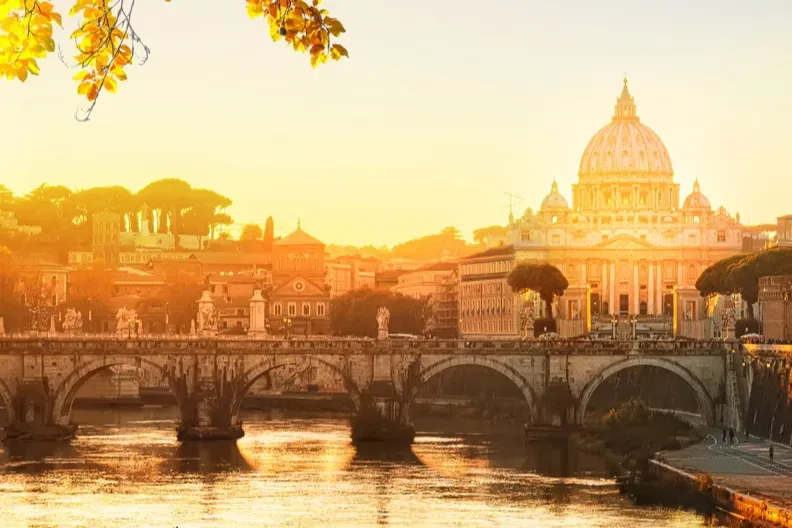
Rome hits highs near 90°F in July with the Colosseum line running two to two and a half hours. By October, the same city settles into the low 70s during the day and the low 50s at night, and that same line is only 45 minutes. That's the trade Italy offers every October: less heat, less crowding, less money spent, in exchange for slightly shorter days and a real chance of rain. For most travelers, it's not a close call.
What the Weather Does
Summer's August Problem, and Why October Skips It
Shorter Lines, Not Empty Ones
The Amalfi Coast and the Islands: Check the Schedule
Truffles, Harvest, and Why Locals Like This Month
Venice's One Real Catch
What It Costs
Rome in October runs a daily average high around 72°F and a low near 57°F, down from July's 88°F/68°F range. Locals call the warm, clear stretches early in the month ottobrate, days that can still hit the mid-70s under a scirocco wind. Rain becomes the real variable, with around 11 to 12 rainy days across the month versus two in July, so pack a compact umbrella and expect showers that pass through fast rather than settle in.
Florence and the north come in a few degrees cooler, and the Amalfi Coast and Capristay in the low 70s through most of October, with the Mediterranean itself still swimmable in the low-to-mid 70s for anyone willing to skip a towel warmed by August sun. Sicily runs warmer still, often in the mid-70s into November.
Here's a little secret about summer travel, a real slice of Italy closes for its own vacation while you're paying peak rates to visit it. Ferragosto, the August 15 holiday, empties entire neighborhoods as Italians head to the coast, and independent restaurants, bakeries, and shops routinely hang a chiuso per ferie sign for one to three weeks around it. Tourist-facing restaurants stay open and get busier. You end up eating where every other tourist is eating, at August prices, while the place around the corner that locals prefer goes dark.
October has none of that. The city runs on its normal calendar, the neighborhood trattoria is open, and you're not competing for a table.
October crowds at Rome's big sites drop off from summer's peak but don't disappear, and the timing inside the month matters. The Vatican Museums see a gradual thinning through the first week of October, then a sharper drop after mid-month, so a trip built around the back half of the month gets noticeably more breathing room than one built around the first week. Book the earliest available time slot regardless of the date. It's still the single best lever for a calmer visit, summer or fall.
The same logic applies across the country. San Gimignano's towers and Cinque Terre's cliffside trails, both jammed through August, thin out enough by October that walking them doesn't feel like a queue. If a week-long swing through the countryside is on the table,Tuscany and Umbria pair well with Octoberprecisely because the hill towns and wineries were built for a car and a slow pace, not a July crowd.
The coast doesn't shut off in October, but it does start winding down, and you need to be mindful of the ferry schedule.Amalfi Coast ferry routestypically hold their full schedule through mid-October, then thin progressively, with some Capri connections reduced to a single daily departure and a few routes dropping to weekends only by month's end. Beach clubs and water-sports operators wind down on a similar timeline. Before building an itinerary around hopping between towns by boat, especially in the last two weeks of the month, it’s essential to watch for availability.
The Alba White Truffle Fair opens October 10 and runs weekends through December 6 in Piedmont's Langhe hills, with the second and third weekends of October generally producing the fattest, most aromatic specimens of the season. Barolo and Barbaresco harvests overlap the same stretch, and wineries across Chianti and the Langhe are noticeably more willing to pour a taste when the pressure of peak season has lifted.
Venice in October looks nothing like Venice in August: cooler, calmer, with hotel rates well off summer peaks. The catch is acqua alta, the high-tide flooding that becomes meaningfully more common starting in October. Historical tide data shows roughly nine acqua alta episodes in October on average, a sharp jump from summer's near-zero count, though still well below November and December's peak. Most events last two to four hours, flood only the lowest 10 to 15% of the city including St. Mark's Square, and the MOSE flood barrier now blocks the severe, city-wide floods that used to make international news. Pack shoes that can handle a puddle and don't build an itinerary around ground-floor cafes in Piazza San Marco to keep October's flooding risk stays a minor footnote rather than a trip-planning problem.
The clearest argument for October shows up on the receipt. Round-trip flights from the US to Italytypically run $600 to $900 for a fall shoulder-season tripagainst $900 to $1,600 or more at the June-to-August peak, a gap wide enough to cover several nights of hotel on its own. Hotels follow the same curve: shoulder-season rates across Italy generally land 20 to 40% below summer peaks, with the steepest drops in the destinations that run hottest in July and August.