

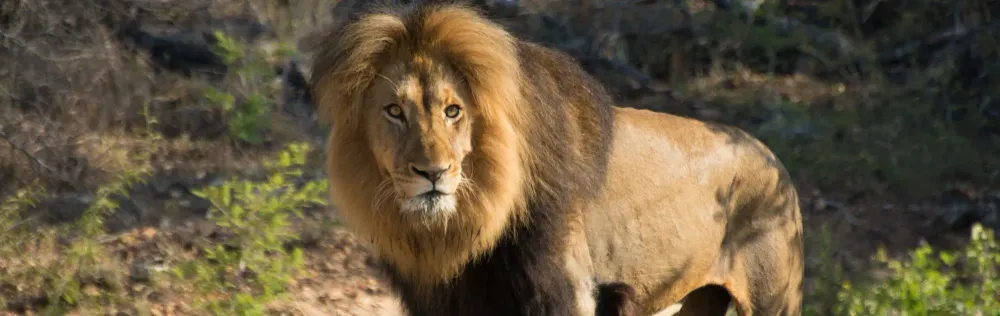
Know What You Want To See
National Parks vs. Game Reserves
Pick the Right Season
How Are You Going to Do It?
Choose Your Means Of Transportation
- Why I Hated Group Tours (Until I Tried One)
- I Went on an African Photo Safari: Here's What It Was Like
- 10 Africa Travel Tips For First Time Visitors
Jamie Ditaranto traveled to South Africa as a guest of
National Geographic Journeys with G Adventures
.
Follow her on Twitter
@jamieditaranto
.
When you find yourself daydreaming about a safari, you probably imagine the wind flying through your hair as you ride in the back of a jeep, camera in hand. You're scanning the horizon looking for wild animals in their natural habitat. Maybe you hope you'll be lucky enough to spot a lion mid-kill, or maybe you'd be just as tickled watching a
baby elephant chase birds
.
It's a good daydream, but if you're ready to turn your fantasy into a real adventure, you're going to have to do a little research. With 54 different countries more than 11 million square miles between them, Africa is a very large and very diverse place. The types of safaris are endless. And while there's no right way to go on safari (it all comes down to personal preferences), there
is
a lot to consider when it comes to picking out your perfect experience. Here's how to make the right choice.
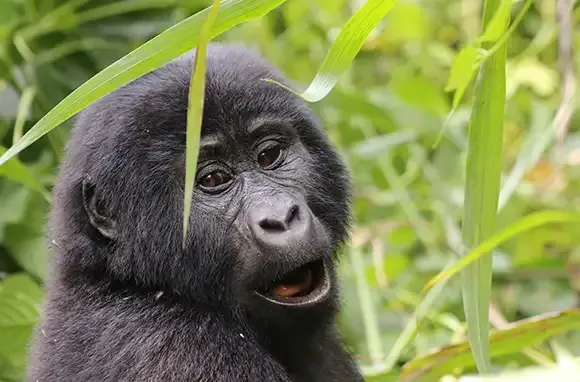
If you have a favorite animal that you can't leave Africa without seeing, you better make sure you're going to the right location. Certain animals are only indigenous to certain regions, so if your dying to see gorillas, skip South Africa and head to Uganda, where the Bwindi Impenetrable National Park is full of them.
Giraffes, elephants, and the big cats live, for the most part, throughout the continent, but if you have a favorite, look for somewhere known for a large population of whatever you're looking for or other special factors. For example, if seeing lions is an absolute priority, head to Duba Plains in Botswana's Okavango Delta, where lions hunt during the day. Usually lions hunt during the night, but this unusual quirk means you're more likely to see lions out and about hunting their dinner.
RELATED: 10 Best Bucket-List Safaris in Africa
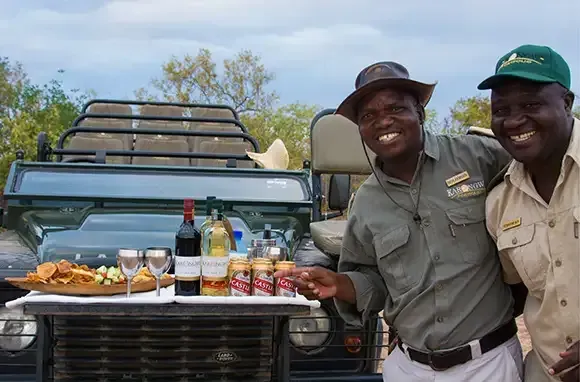
Whether you're selecting a tour guide or planning the trip yourself, you'll need to get more specific about the type of environment you want to safari in. You can't just vaguely drive into the wild, so it's important to know the difference between a national park and a private game reserve.
A national park is land protected by the government and can be quite large, like South Africa's Kruger National Park (which is the size of Israel and has six different ecosystems). With a place like this, there's no way you'll be able to see it all on a short trip, so you'll have to do your research to make sure you'll be visiting the regions of the park that you want to see. The benefit to visiting a land mass of this size is the potential to see large herds of animals in their migration, like the Great Wildebeest Migration in Tanzania's Serengeti National Park.
On a private game reserve, the fenced-in land is much smaller than the national parks (though should still be large enough for the animals to happily live) and the population is mostly controlled by the owners. For example, the Karongwe Reserve offers 21,000 acres of land. Your game drives are included in the price of your lodging, and because the reserve works as one operation, the safari guides communicate with one another about the animals' whereabouts, ensuring that you'll see as many animals as possible. Private reserves also do not operate under the same rules as national parks, which means an opportunity to safari in an uncovered vehicle and even stay out past sundown.
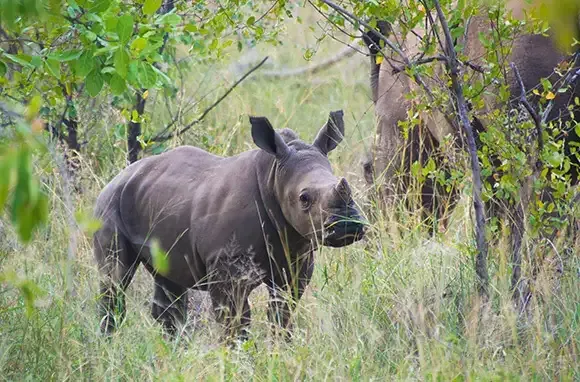
Picking the right time to go isn't just important for saving some money on your vacation, it's also critical when it comes to what you want to see. If you're a bird-lover, it will be best to visit during wet-season (December to March), which is when birds make their nests and are more likely to be seen at home.
But if nothing could make you happier than seeing the adorable babies of the animals you've traveled so far to see, it's best to time your trip accordingly. Most babies are born in November, so peak baby-watching season is December to February.
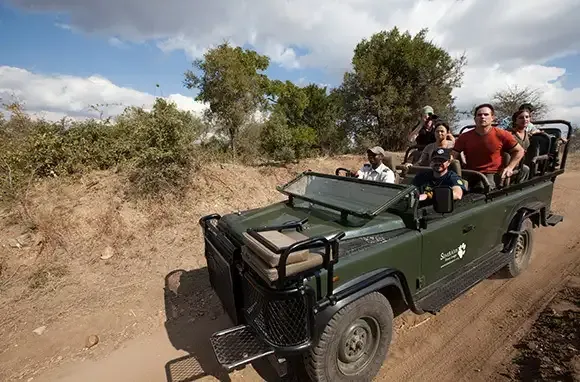
Once you've decided the when and where, you need to figure out the how. There are many different ways to go on safari. You can organize your own travel and book safari tours through your accommodations if you want to be independent. (And if you want to be really independent, you can even do a self-drive through a national park and be your own guide, though you'll have to follow a strict set of rules.)
If independent travel sounds complicated, one alternative is signing up for an organized group tour. Not only is a group tour more convenient, organized tours often offer perks you'd never be able to find on your own. These perks can be catered to your interests, whether you want to learn more about photography, enjoy some luxury camping, or approach the safari from a conservationist perspective. (On a National Geographic Journey with G Adventures in South Africa, you can do all three.)
The Explore Kruger National Park Tour is an experience that seamlessly blends luxury accommodation with photographic adventures and offers the special privilege of meeting and dining with an in-field researcher from the Big Cats Initiative—something no other tour offers.
RELATED: How to Safari Like You're On Assignment For National Geographic
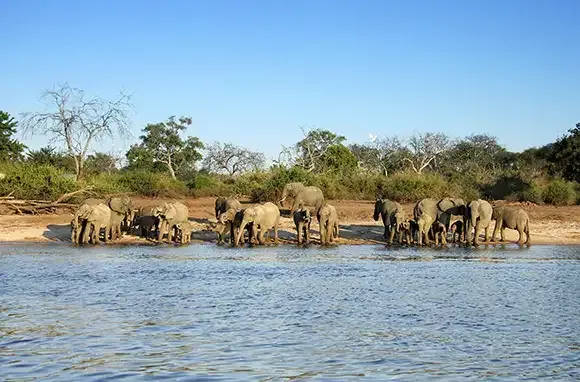
Typical safaris are done from the safety of a jeep, but that's not the only way to do it. If you're looking for something a little more adventurous, consider taking a walking safari or even going by horseback.
Certain places, like Botswana's Okavango Delta, even offer boat safaris.
Safaris are all about the journey, and on a continent as large and diverse as Africa, so much is possible. Ultimately, your safari is up to you, so embrace your interests and don't be afraid to book that once-in-a-lifetime trip.
More from SmarterTravel: