
How to Get Bumped Voluntarily (And Profit From It)

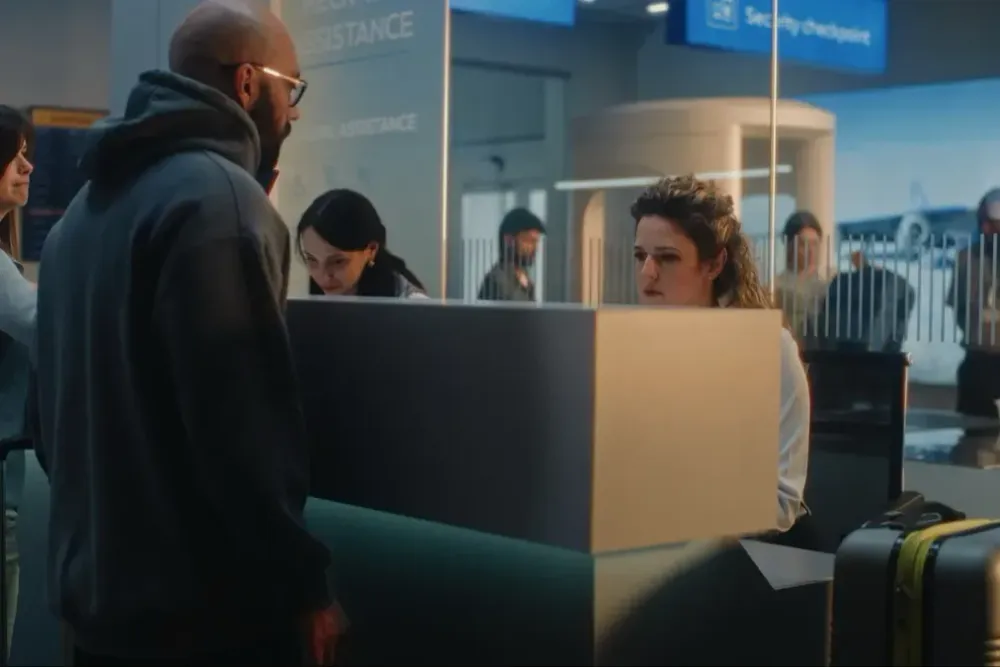
Every oversold flight is a badly hidden auction. The airline needs bodies off the plane, and it's willing to pay for volunteers. Sometimes a little, sometimes enough to fund the next three vacations. Most passengers never hear the opening bid because they're too busy sprinting to their gate. The ones who do listen, and who know how to negotiate, occasionally walk away with checks that make their seatmates furious.
Why Airlines Overbook in the First Place
Which Airlines Are Worth the Gamble
How to Get Picked as a Volunteer
- Fly during predictable oversell windows: holiday travel, Sunday evenings, and connections through hub airports like Atlanta, Chicago O'Hare, or Charlotte.
- Check in on time, then ask the gate agent directly whether the flight is oversold. Airlines aren't required to announce it early, and agents will usually tell you if you ask.
- Bid before you reach the gate. Both United and American let passengers submit a compensation bid through the airline's app, sometimes a full day before departure, and pick a new confirmed flight on the spot.
- Bid like you mean it, not like you're desperate. Gate agents typically accept the lowest offers first, so an opening ask of $2,000 usually gets skipped in favor of someone who requested $500. Start reasonable and let the airline raise the number if nobody else takes the bait.
Negotiate for More Than Cash
- Confirm the next flight is a real seat, not standby. A generous voucher means nothing if you're stuck sleeping at the gate.
- Ask for a hotel room, meals, and transportation if the delay runs overnight. Airlines will often add these without much pushback.
- Ask for cash or a check instead of a voucher if it's offered. Vouchers expire, get blacked out around holidays, and sometimes can't be used on international routes.
- Get any large verbal offer confirmed in writing before you agree to anything. One Delta passenger says a flight attendant promised $15,000 to free up two seats, then Delta'sbest follow-up offeronce the plane had already left was $1,500 in vouchers plus miles.
What Real Payouts Look Like
Read Before You Sign Anything
The Bottom Line
Airlines sell more seats than they have because a predictable share of passengers never show up. When the math works out, nobody notices. When it doesn't, federal rules require the airline to ask for volunteers before it's allowed to bump anyone against their will, and there's no ceiling on what it can offer to get you to say yes.
Compare that to involuntary bumping, where the government caps the payout: 200% of your one-way fare, up to $1,075, for a delay of one to two hours, and 400%, up to $2,150, for anything longer. Volunteering skips that ceiling entirely. An airline can offer $50 or $15,000, and the number moves however far it needs to.
Not every oversold flight is a good bet. Delta reportsfar more voluntary denied boardings than any other major U.S. carrier, while its involuntary numbers stay close to zero, which tells you the airline would rather overpay a volunteer than drag someone off a plane. Delta's gate and kiosk process runs like a quiet auction, andstaff have been known to keep raising the offerinto the thousands until someone bites.
Frontier and Spirit sit at the other end of that ledger, posting some of the highest involuntary bumping rates in the industry. That means they're more likely to just pull your name off the flight than pay you to leave voluntarily. If a payday is the goal, book legacy carriers running full connecting hubs during peak periods, not ultra-low-cost airlines hoping nobody notices the math.
Related: The Airlines Most and Least Likely to Bump You off a Flight
Timing beats luck.
The dollar figure is the headline, but it isn't the only line item worth asking about.
The eye-popping numbers you've heard about are real, if uncommon. One United passenger ended up with a $10,000 voucher after nobody volunteered at $800, then $1,000, then $2,000, and a gate agent kept climbing until someone finally said yes.
Voluntary offers usually move lower and faster, but they add up. Earlier this year, a Philadelphia to Orlando flight reportedly opened at $750 per volunteer and climbed to $2,000 once nobody took the first offer. On a flight bound for Rome, thirteen passengers split offers between $2,000 and $4,000 each to take a later departure. None of that required a lawyer or a Twitter account, just patience and a flexible itinerary.
One thing worth saying plainly is that nobody can talk you into signing paperwork that calls you a "volunteer" if you never agreed to give up your seat. The Department of Transportation fined Spirit Airlines $350,000 after finding the carrier had bumped passengers involuntarily and had them sign forms suggesting otherwise, which conveniently let Spirit skip paying what it actually owed. Read whatever you're handed at the gate. If the wording doesn't match what you agreed to, say so before you sign.
If you'd rather not gamble on getting picked, or you end up bumped against your will instead, your guaranteed rights are spelled out here:
Related: What Are Your Rights When You're Involuntarily Bumped?
Voluntary bumping rewards the patient, not the rushed. It works best when your plans are flexible, your itinerary can absorb a delay, and nothing important is waiting on the other end. If that describes your next trip, an oversold flight might be the best-paying layover you ever sit through.