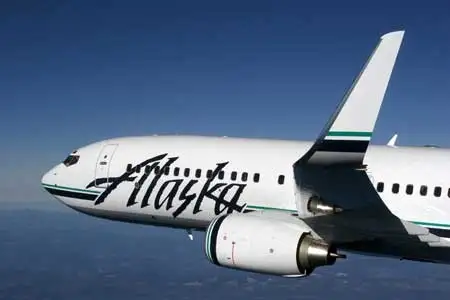
Should frequent flyer program members be free to sell their airline miles?
Most consumers would answer in the affirmative. They earned the miles; they own them; they can dispose of them as they see fit. The logic seems unassailable.
But a U.S. District Court judge, Ronald Leighton, says no. And since he’s a judge, all those aye-sayers and would-be mileage sellers and buyers need to listen up.
Leighton was ruling on a suit brought by Alaska Airlines in 2007 against Brad Carey, whose agency, Carey Travel, brokered the sale of frequent flyer award tickets.
According to the Kitsap Sun, the judge in his October 30th ruling opined as follows: “Any time a valid frequent flyer mile customer does not have a seat available on a plane because of someone who improperly aggregated miles and obtained a travel award in violation of the terms and conditions, that results in a loss of goodwill, loss of respect and confidence in the system.”
Note the judge’s reference to the terms and conditions. As do all major airlines, Alaska’s Mileage Plan program includes the following verbiage in the rules governing membership:
Awards or accrued Miles, including purchased Miles, do not constitute the property of the member to whose Mileage Plan account the miles have been posted.
And this:
Mileage credit, award travel, upgrade certificates, companion tickets, Discount Codes, or Board Room passes may not be sold, purchased or bartered, except Mileage Plan miles may be purchased or transferred through valid Mileage Plan Buy Miles, Gift Miles or Transfer Miles transactions processed through Points.com. Mileage, certificates or tickets sold, purchased or bartered through other sources are void. Attempts to purchase, sell or barter these products shall be considered an act of fraud against Alaska Airlines. The member and/or the traveler shall be liable for the full, unrestricted value of awards issued as a result of improper or fraudulent transfers or otherwise in violation of these Conditions of Membership. Alaska Airlines reserves the right to deactivate the Mileage Plan account of any member involved in such activities until liability is fulfilled.
By enrolling in the program, members are implicitly accepting the above, and agreeing to be bound by those terms.
Carey’s argument (which is similar to one I have suggested myself) is that the terms and conditions themselves are illegitimate, because they afford the airline monopoly power over frequent flyer miles. If they are incompatible with antitrust law, those terms can’t be binding, even if someone agrees to abide by them.
Carey plans to appeal the District Court’s decision, and take the case to the Supreme Court if necessary.
His vision, as he put it to me by phone, is of “a free and open market in frequent flyer miles.” In the short term, that could be disruptive, forcing the airlines to address the ever-growing surplus of unredeemed miles. That, he admits, would result in higher prices for award tickets. Longer term, though, consumers would benefit from more options for using their miles as a genuinely convertible currency. And the airlines would benefit as well, as their lucrative mileage programs are repositioned on a sustainable trajectory.
In the meantime, the airlines’ terms and conditions remain the rule.
We hand-pick everything we recommend and select items through testing and reviews. Some products are sent to us free of charge with no incentive to offer a favorable review. We offer our unbiased opinions and do not accept compensation to review products. All items are in stock and prices are accurate at the time of publication. If you buy something through our links, we may earn a commission.
Top Fares From




Today's Top Travel Deals
Brought to you by ShermansTravel
Porto to Lisbon: 7-Nt, Small-Group Portugal...
Indus Travels
 vacation
$1899+
vacation
$1899+
Greenland: Luxe, All-Incl. 11-Nt Exploration Small-Ship...
Swan Hellenic
cruise
$3289+
Ohio: Daily Car Rentals from Cincinnati
85OFF.com
 Car Rental
$19+
Car Rental
$19+